-- EDITOR'S NOTE: We have started a new Ukraine Live Blog as of August 17, 2019. You can find it here.
-- A court in Moscow has upheld a lower court's decision to extend pretrial detention for six of the 24 Ukrainian sailors detained by Russian forces along with their three naval vessels in November near the Kerch Strait, which links the Black Sea and Sea of Azov.
-- The U.S. special peace envoy to Ukraine, Kurt Volker, says Russian propaganda is making it a challenge to solve the conflict in the east of the country.
-- Two more executives of DTEK, Ukraine's largest private power and coal producer, have been charged in a criminal case on August 14 involving an alleged conspiracy to fix electricity prices with the state energy regulator, Interfax reported.
-- A Ukrainian deputy minister and his aide have been detained after allegedly taking a bribe worth $480,000, the National Anti-Corruption Bureau said on Facebook.
*Time stamps on the blog refer to local time in Ukraine
We are now closing the live blog for today, but we'll be back again tomorrow morning to follow all the latest developments. Until then, you can keep up with all our other Ukraine coverage here.
22:274.10.2018
Here's more on the U.S. Senate's Holodomor resolution, courtesy of RFE/RL Washington correspondent Mark Najarian:
U.S. Senate Passes Resolution On Ukraine Famine, A Move Hailed by Kyiv
Ukraine's Holodomor Through An Austrian's Eyes
1/15The jaded population has lost all interest in the gruesome sight of the famished and the dying.
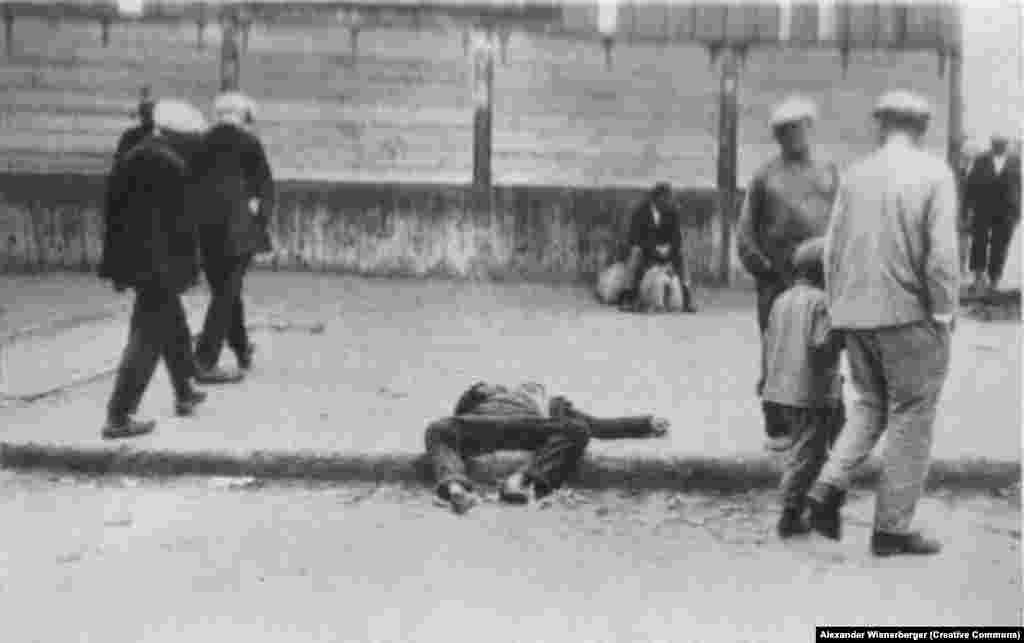
Alexander Wienerberger was recruited into the army of the Austro-Hungarian Empire during World War I. In 1915, he was taken prisoner in Russia and ended up staying in the U.S.S.R. until 1934. Later, he worked as a chemical engineer specializing in explosives, and he established chemical factories in the Soviet Union. In 1933, he was assigned as technical director of a synthetic factory in Kharkiv and became witness to the man-made famine orchestrated by the Soviet government, the Holodomor. His photographs -- made with a Leica camera -- are some of about 100 images verified to be authentic portrayals of those harrowing events. The captions are based on the photographer's own notes.
2/15Everyday conversation in sight of a corpse
Alexander Wienerberger was recruited into the army of the Austro-Hungarian Empire during World War I. In 1915, he was taken prisoner in Russia and ended up staying in the U.S.S.R. until 1934. Later, he worked as a chemical engineer specializing in explosives, and he established chemical factories in the Soviet Union. In 1933, he was assigned as technical director of a synthetic factory in Kharkiv and became witness to the man-made famine orchestrated by the Soviet government, the Holodomor. His photographs -- made with a Leica camera -- are some of about 100 images verified to be authentic portrayals of those harrowing events. The captions are based on the photographer's own notes.
3/15Queues in front of a milk distribution center
Alexander Wienerberger was recruited into the army of the Austro-Hungarian Empire during World War I. In 1915, he was taken prisoner in Russia and ended up staying in the U.S.S.R. until 1934. Later, he worked as a chemical engineer specializing in explosives, and he established chemical factories in the Soviet Union. In 1933, he was assigned as technical director of a synthetic factory in Kharkiv and became witness to the man-made famine orchestrated by the Soviet government, the Holodomor. His photographs -- made with a Leica camera -- are some of about 100 images verified to be authentic portrayals of those harrowing events. The captions are based on the photographer's own notes.
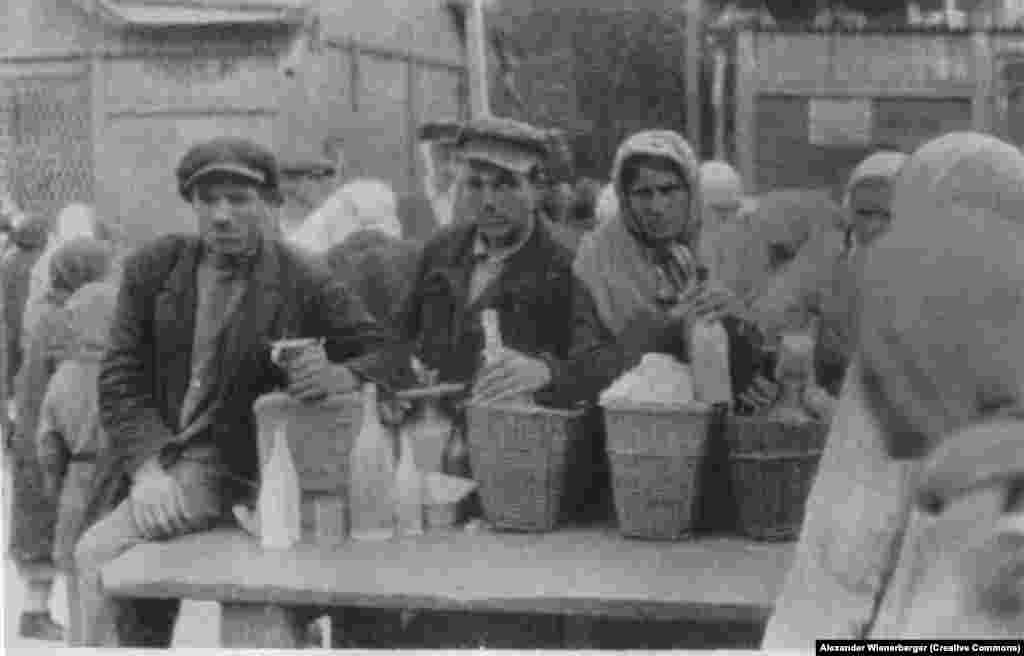
4/15At the food market in Kharkiv -- each bottle of milk, desperately clasped, represents a valuable possession in free trade
Alexander Wienerberger was recruited into the army of the Austro-Hungarian Empire during World War I. In 1915, he was taken prisoner in Russia and ended up staying in the U.S.S.R. until 1934. Later, he worked as a chemical engineer specializing in explosives, and he established chemical factories in the Soviet Union. In 1933, he was assigned as technical director of a synthetic factory in Kharkiv and became witness to the man-made famine orchestrated by the Soviet government, the Holodomor. His photographs -- made with a Leica camera -- are some of about 100 images verified to be authentic portrayals of those harrowing events. The captions are based on the photographer's own notes.
5/15The corpses of the starved in the streets of Kharkiv arouse sympathy at first.
Alexander Wienerberger was recruited into the army of the Austro-Hungarian Empire during World War I. In 1915, he was taken prisoner in Russia and ended up staying in the U.S.S.R. until 1934. Later, he worked as a chemical engineer specializing in explosives, and he established chemical factories in the Soviet Union. In 1933, he was assigned as technical director of a synthetic factory in Kharkiv and became witness to the man-made famine orchestrated by the Soviet government, the Holodomor. His photographs -- made with a Leica camera -- are some of about 100 images verified to be authentic portrayals of those harrowing events. The captions are based on the photographer's own notes.
6/15Hungry and neglected children -- the so-called "Besprisornyje" ("the waifs")
Alexander Wienerberger was recruited into the army of the Austro-Hungarian Empire during World War I. In 1915, he was taken prisoner in Russia and ended up staying in the U.S.S.R. until 1934. Later, he worked as a chemical engineer specializing in explosives, and he established chemical factories in the Soviet Union. In 1933, he was assigned as technical director of a synthetic factory in Kharkiv and became witness to the man-made famine orchestrated by the Soviet government, the Holodomor. His photographs -- made with a Leica camera -- are some of about 100 images verified to be authentic portrayals of those harrowing events. The captions are based on the photographer's own notes.
7/15Hunger forces farmers to migrate
Alexander Wienerberger was recruited into the army of the Austro-Hungarian Empire during World War I. In 1915, he was taken prisoner in Russia and ended up staying in the U.S.S.R. until 1934. Later, he worked as a chemical engineer specializing in explosives, and he established chemical factories in the Soviet Union. In 1933, he was assigned as technical director of a synthetic factory in Kharkiv and became witness to the man-made famine orchestrated by the Soviet government, the Holodomor. His photographs -- made with a Leica camera -- are some of about 100 images verified to be authentic portrayals of those harrowing events. The captions are based on the photographer's own notes.
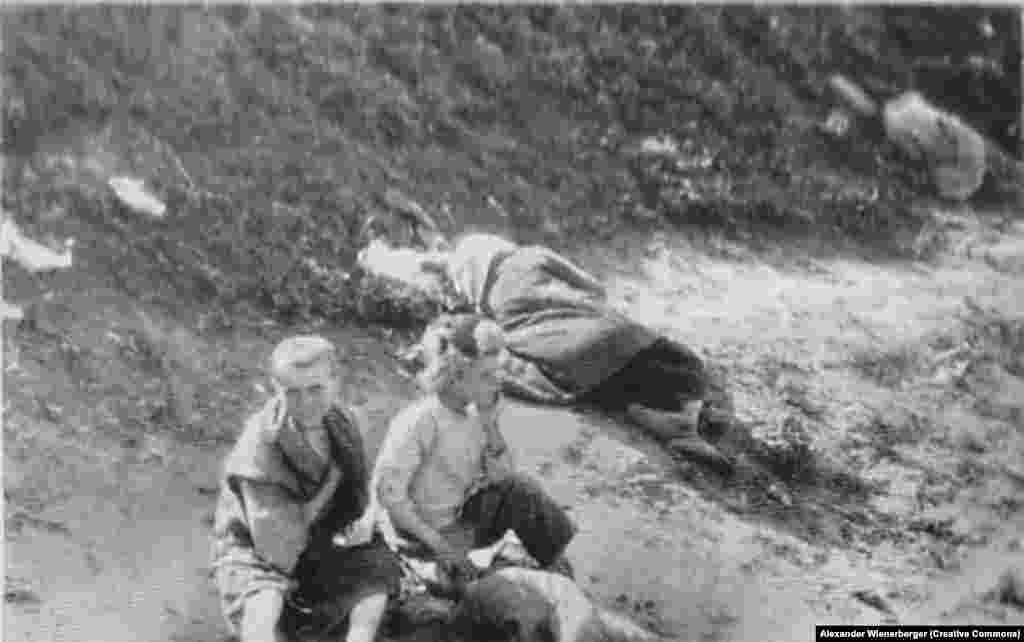
8/15Besprisornyje sitting on a stone-heap, delousing themselves
Alexander Wienerberger was recruited into the army of the Austro-Hungarian Empire during World War I. In 1915, he was taken prisoner in Russia and ended up staying in the U.S.S.R. until 1934. Later, he worked as a chemical engineer specializing in explosives, and he established chemical factories in the Soviet Union. In 1933, he was assigned as technical director of a synthetic factory in Kharkiv and became witness to the man-made famine orchestrated by the Soviet government, the Holodomor. His photographs -- made with a Leica camera -- are some of about 100 images verified to be authentic portrayals of those harrowing events. The captions are based on the photographer's own notes.
9/15A starving child whom nobody cares about
Alexander Wienerberger was recruited into the army of the Austro-Hungarian Empire during World War I. In 1915, he was taken prisoner in Russia and ended up staying in the U.S.S.R. until 1934. Later, he worked as a chemical engineer specializing in explosives, and he established chemical factories in the Soviet Union. In 1933, he was assigned as technical director of a synthetic factory in Kharkiv and became witness to the man-made famine orchestrated by the Soviet government, the Holodomor. His photographs -- made with a Leica camera -- are some of about 100 images verified to be authentic portrayals of those harrowing events. The captions are based on the photographer's own notes.
10/15The empty "Chartorg" (Charower Trade Cooperative) food distribution site is besieged by a devastated population in Kharkiv..
Alexander Wienerberger was recruited into the army of the Austro-Hungarian Empire during World War I. In 1915, he was taken prisoner in Russia and ended up staying in the U.S.S.R. until 1934. Later, he worked as a chemical engineer specializing in explosives, and he established chemical factories in the Soviet Union. In 1933, he was assigned as technical director of a synthetic factory in Kharkiv and became witness to the man-made famine orchestrated by the Soviet government, the Holodomor. His photographs -- made with a Leica camera -- are some of about 100 images verified to be authentic portrayals of those harrowing events. The captions are based on the photographer's own notes.
11/15The sympathy recedes!
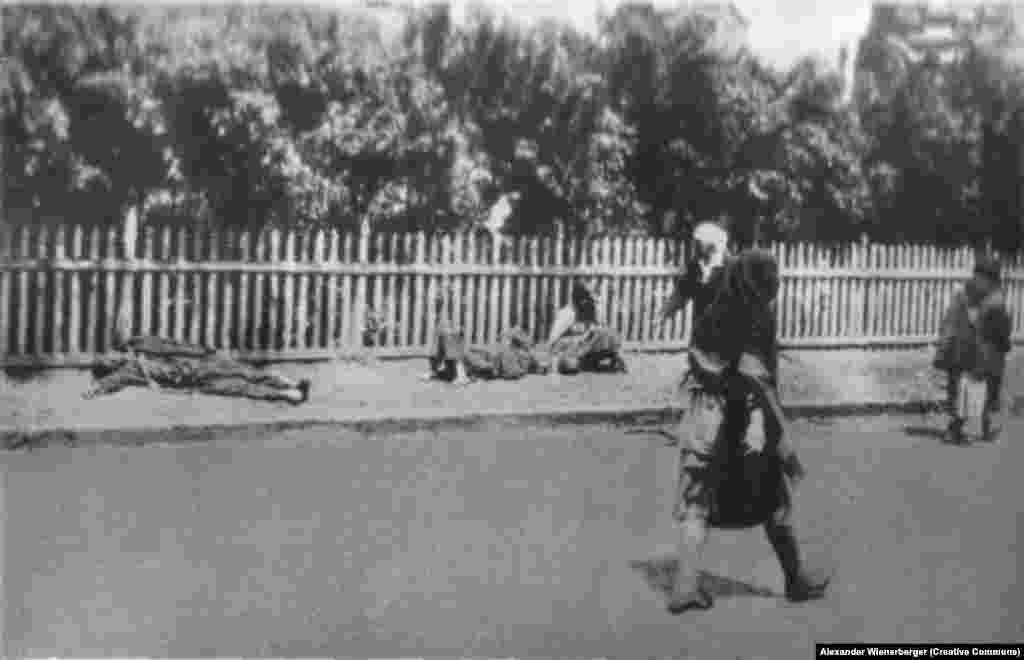
Alexander Wienerberger was recruited into the army of the Austro-Hungarian Empire during World War I. In 1915, he was taken prisoner in Russia and ended up staying in the U.S.S.R. until 1934. Later, he worked as a chemical engineer specializing in explosives, and he established chemical factories in the Soviet Union. In 1933, he was assigned as technical director of a synthetic factory in Kharkiv and became witness to the man-made famine orchestrated by the Soviet government, the Holodomor. His photographs -- made with a Leica camera -- are some of about 100 images verified to be authentic portrayals of those harrowing events. The captions are based on the photographer's own notes.
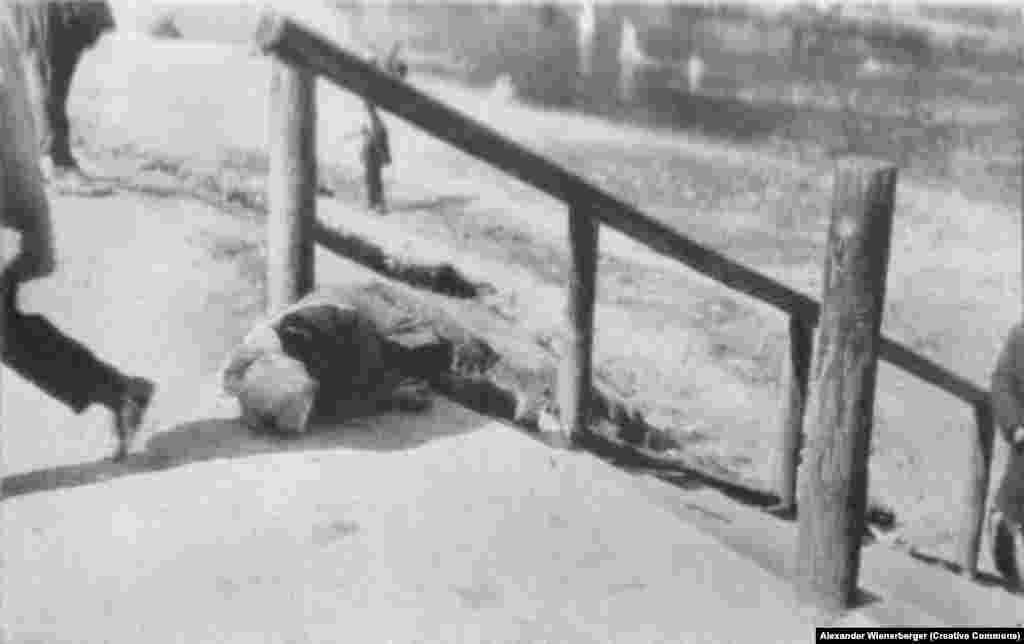
12/15The corpses of the starving lie on the roadside. Passersby no longer pay them any attention.
Alexander Wienerberger was recruited into the army of the Austro-Hungarian Empire during World War I. In 1915, he was taken prisoner in Russia and ended up staying in the U.S.S.R. until 1934. Later, he worked as a chemical engineer specializing in explosives, and he established chemical factories in the Soviet Union. In 1933, he was assigned as technical director of a synthetic factory in Kharkiv and became witness to the man-made famine orchestrated by the Soviet government, the Holodomor. His photographs -- made with a Leica camera -- are some of about 100 images verified to be authentic portrayals of those harrowing events. The captions are based on the photographer's own notes.
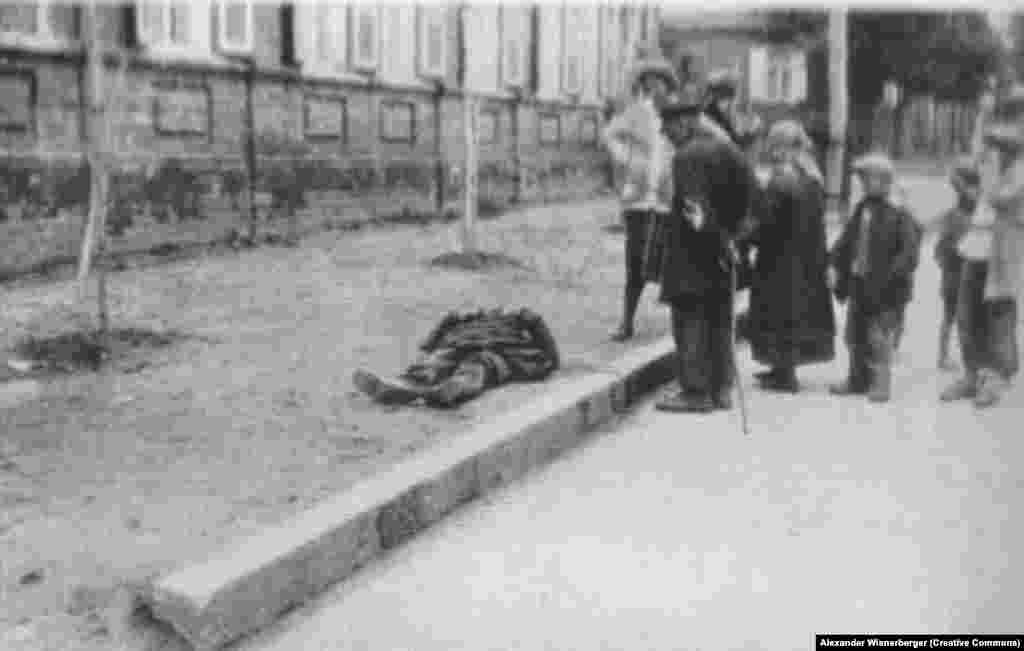
13/15This corpse still excites attention
Alexander Wienerberger was recruited into the army of the Austro-Hungarian Empire during World War I. In 1915, he was taken prisoner in Russia and ended up staying in the U.S.S.R. until 1934. Later, he worked as a chemical engineer specializing in explosives, and he established chemical factories in the Soviet Union. In 1933, he was assigned as technical director of a synthetic factory in Kharkiv and became witness to the man-made famine orchestrated by the Soviet government, the Holodomor. His photographs -- made with a Leica camera -- are some of about 100 images verified to be authentic portrayals of those harrowing events. The captions are based on the photographer's own notes.
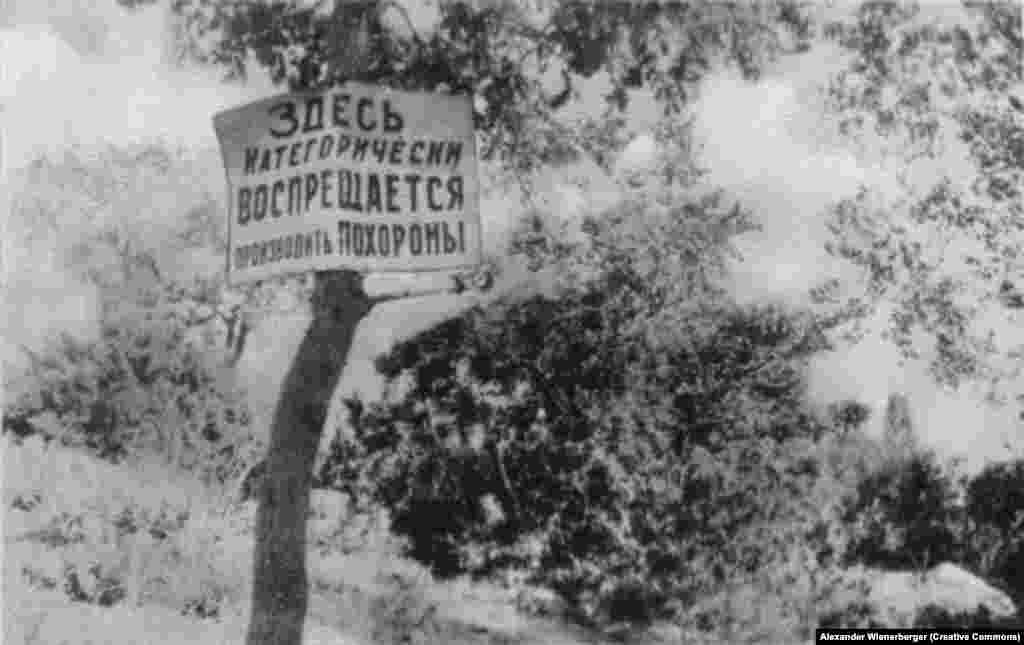
14/15In the blooming countryside, a sign reads: "The burial of corpses is strictly forbidden here!"
Alexander Wienerberger was recruited into the army of the Austro-Hungarian Empire during World War I. In 1915, he was taken prisoner in Russia and ended up staying in the U.S.S.R. until 1934. Later, he worked as a chemical engineer specializing in explosives, and he established chemical factories in the Soviet Union. In 1933, he was assigned as technical director of a synthetic factory in Kharkiv and became witness to the man-made famine orchestrated by the Soviet government, the Holodomor. His photographs -- made with a Leica camera -- are some of about 100 images verified to be authentic portrayals of those harrowing events. The captions are based on the photographer's own notes.
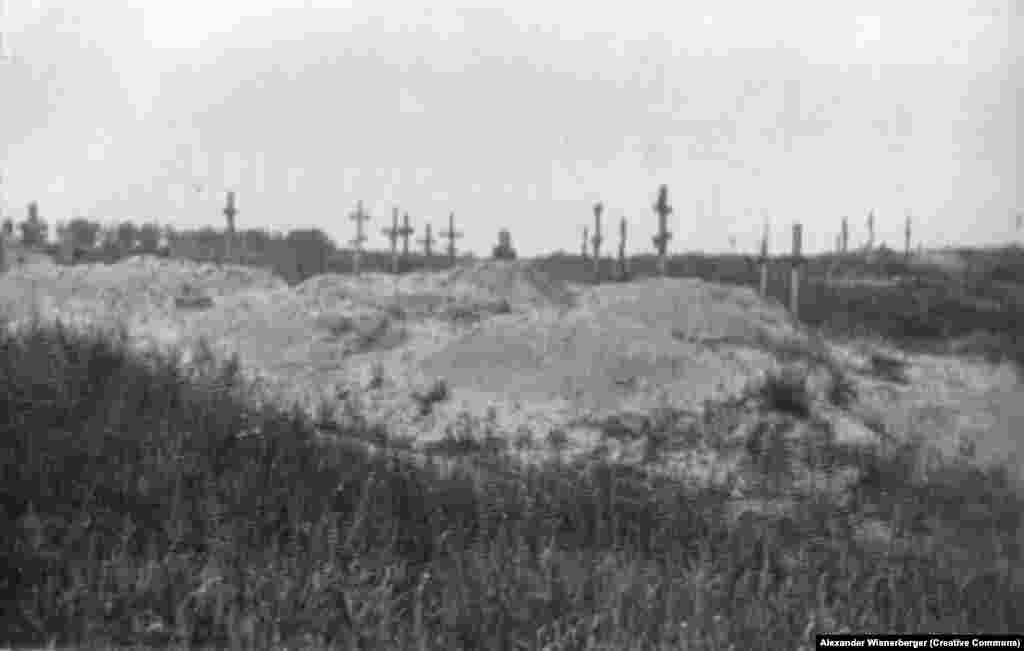
15/15The corpses of those who died of starvation are buried in mass graves.
Alexander Wienerberger was recruited into the army of the Austro-Hungarian Empire during World War I. In 1915, he was taken prisoner in Russia and ended up staying in the U.S.S.R. until 1934. Later, he worked as a chemical engineer specializing in explosives, and he established chemical factories in the Soviet Union. In 1933, he was assigned as technical director of a synthetic factory in Kharkiv and became witness to the man-made famine orchestrated by the Soviet government, the Holodomor. His photographs -- made with a Leica camera -- are some of about 100 images verified to be authentic portrayals of those harrowing events. The captions are based on the photographer's own notes.
Previous slide
Next slide
(Click on picture to open gallery. Warning: Contains images that some may find disturbing)
WASHINGTON -- The U.S. Senate has backed a resolution on the 1930s-era Ukrainian famine known as the Holodomor, a move hailed by Ukrainian President Petro Poroshenko.
The Senate passed a "simple resolution" on October 3, commemorating the 85th anniversary of the famine of 1932-33, saying that the event "should serve as a reminder of repressive Soviet policies against the people of Ukraine."
Historians estimate as many as 9 million people died in the famine, which many Ukrainians consider to have been caused by Soviet central planners as an act of genocide, aimed at wiping out Ukrainian farmers.
In the U.S. Congress, simple resolutions are nonbinding, passed by only one chamber of Congress, and don't become law. Typically, they are used by lawmakers to usually back a pet project or endeavor, or a potentially political controversial issue without forcing a more public vote.
The resolution said the Senate recognized "the findings of the Commission on the Ukraine Famine, as submitted to Congress on April 22, 1988," that Soviet leader Josef Stalin "and those around him committed genocide against the Ukrainians in 1932–1933."
The Ukrainian Embassy in Washington described the resolution as the "first-ever legal act" of Congress recognizing the tragedy as a genocide, a highly charged term that is likely to anger Moscow.
Russian, and other historians, have stopped short of saying the famine was engineered to kill Ukrainians, noting that many other ethnic groups also suffered.
Ukrainian President Petro Poroshenko hailed the resolution, writing on Facebook on October 4 that it was "another significant result of strengthening Ukraine-U.S. strategic partnership.”
"We hope that the rest of the world, including the EU, and international organizations, including the United Nations, will do the same," he added.
The office of Republican Senator Rob Portman, who sponsored the bill, did not immediately get back to RFE/RL for comment. The State Department also did not immediately respond to a request for comment.
Congress and individual states often pass resolutions that do not necessarily reflect overall U.S. policy.
The U.S. government has not recognized the Ukrainian famine as a "genocide," instead labeling it as a "criminal act of the Stalinist regime" against the people of Ukraine. The EU terms it an "appalling crime."
The Holodomor famine took place in 1932 and 1933 as Soviet authorities forced peasants in Ukraine to join collective farms by requisitioning their grain and other agricultural production.
Historians say the seizure of the 1932 crop by Soviet authorities was the main cause of the famine.
Along with Ukraine, at least 15 other countries have officially recognized Holodomor as "genocide."
Ukraine commemorates the event every November 28.
U.S. lawmakers have introduced similar resolutions in the past on politically charged historical events, like the massacre of Armenians in Turkey during World War I. Most historians and a growing number of countries consider the killings to constitute genocide.
But the measures have never passed a full vote in either the Senate or the House.
The White House, under pressure from Turkey, has stopped short of using the word "genocide" to describe the Ottoman-era massacre.
With reporting by RFE/RL's Ukrainian Service
22:074.10.2018
22:054.10.2018
22:034.10.2018
22:024.10.2018
A tweet from Ulyana Suprun, Ukraine's acting health minister: