





15:03
13.1.2019
13:09
13.1.2019
10:24
13.1.2019
In case you missed it the first time around:
The Destruction Of Ukraine's Nuclear Arsenal
Twenty-five years ago, Ukraine possessed the world’s third-largest nuclear arsenal. It had inherited 175 long-range missiles and more than 1,800 warheads after the collapse of the Soviet Union. Following two years of talks been the United States, Russia, and Ukraine, U.S. President Bill Clinton announced a breakthrough on January 10, 1994. Ukraine had agreed to remove all nuclear weapons from its soil in exchange for assurances that Russia would respect its sovereignty.
The Destruction Of Ukraine's Nuclear Arsenal

Twenty-five years ago, Ukraine possessed the world’s third-largest nuclear arsenal. Following two years of talks been the United States, Russia, and Ukraine, Ukraine agreed to remove all nuclear weapons from its soil in exchange for assurances that Russia would respect its sovereignty.
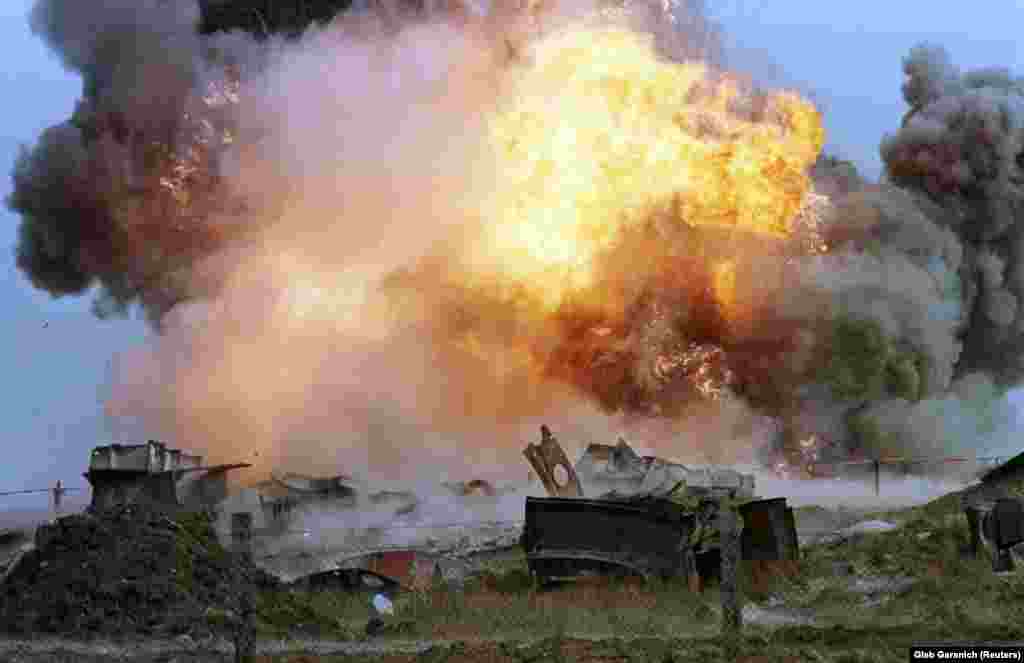
Twenty-five years ago, Ukraine possessed the world’s third-largest nuclear arsenal. Following two years of talks been the United States, Russia, and Ukraine, Ukraine agreed to remove all nuclear weapons from its soil in exchange for assurances that Russia would respect its sovereignty.
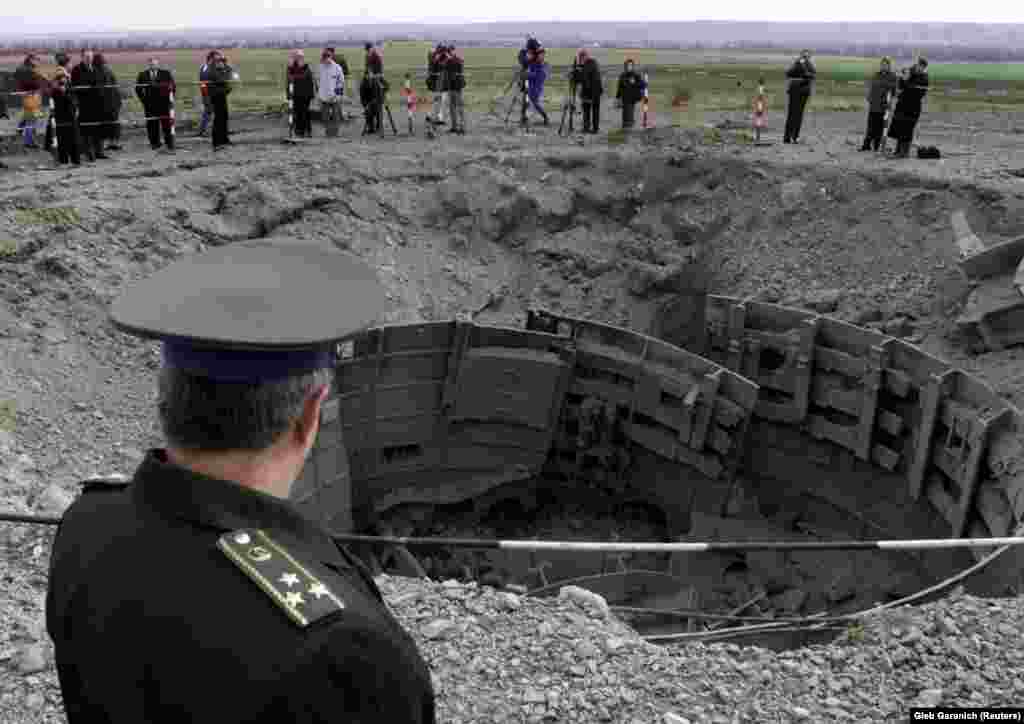
Twenty-five years ago, Ukraine possessed the world’s third-largest nuclear arsenal. Following two years of talks been the United States, Russia, and Ukraine, Ukraine agreed to remove all nuclear weapons from its soil in exchange for assurances that Russia would respect its sovereignty.
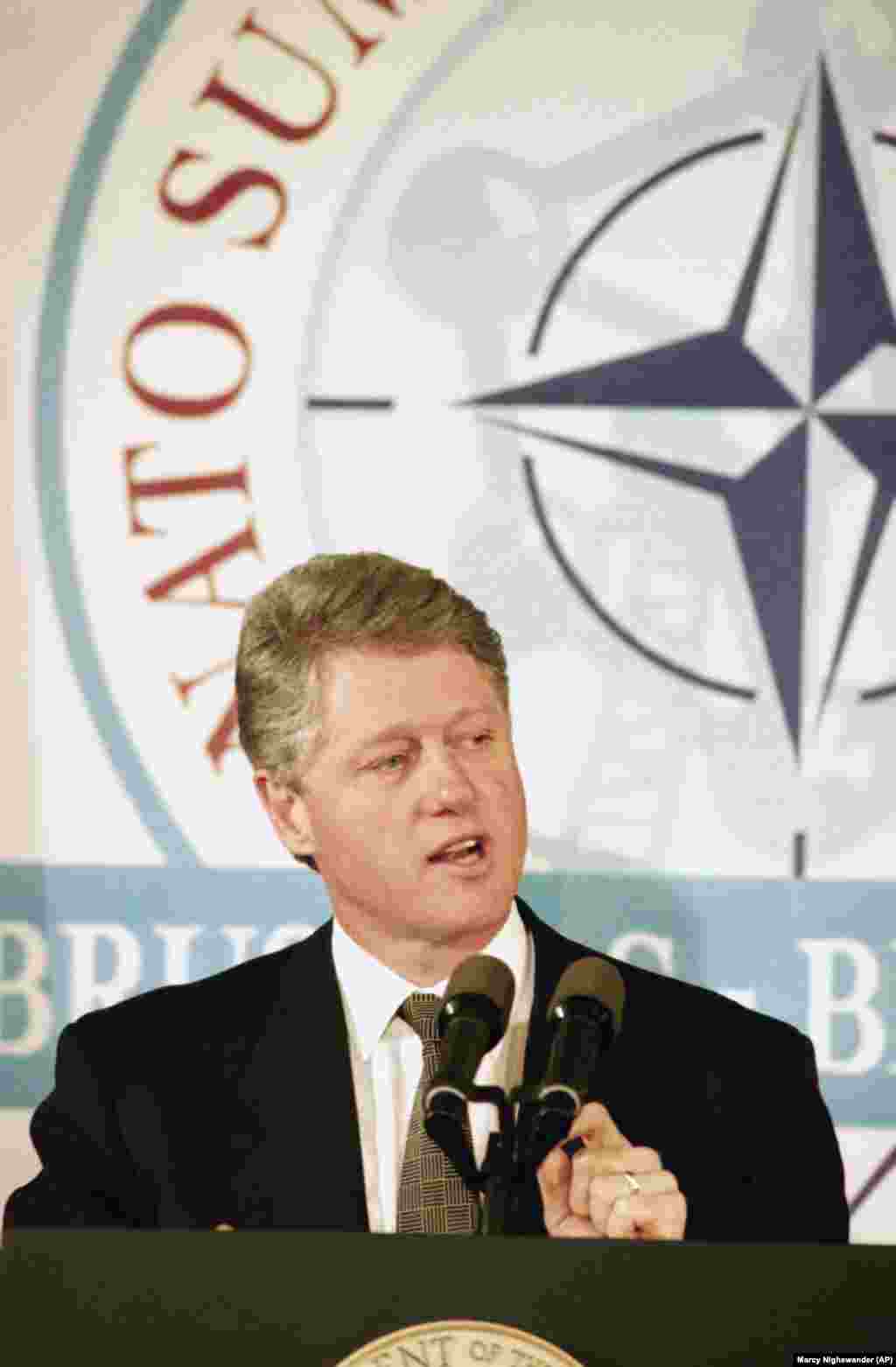
Twenty-five years ago, Ukraine possessed the world’s third-largest nuclear arsenal. Following two years of talks been the United States, Russia, and Ukraine, Ukraine agreed to remove all nuclear weapons from its soil in exchange for assurances that Russia would respect its sovereignty.

Twenty-five years ago, Ukraine possessed the world’s third-largest nuclear arsenal. Following two years of talks been the United States, Russia, and Ukraine, Ukraine agreed to remove all nuclear weapons from its soil in exchange for assurances that Russia would respect its sovereignty.

Twenty-five years ago, Ukraine possessed the world’s third-largest nuclear arsenal. Following two years of talks been the United States, Russia, and Ukraine, Ukraine agreed to remove all nuclear weapons from its soil in exchange for assurances that Russia would respect its sovereignty.
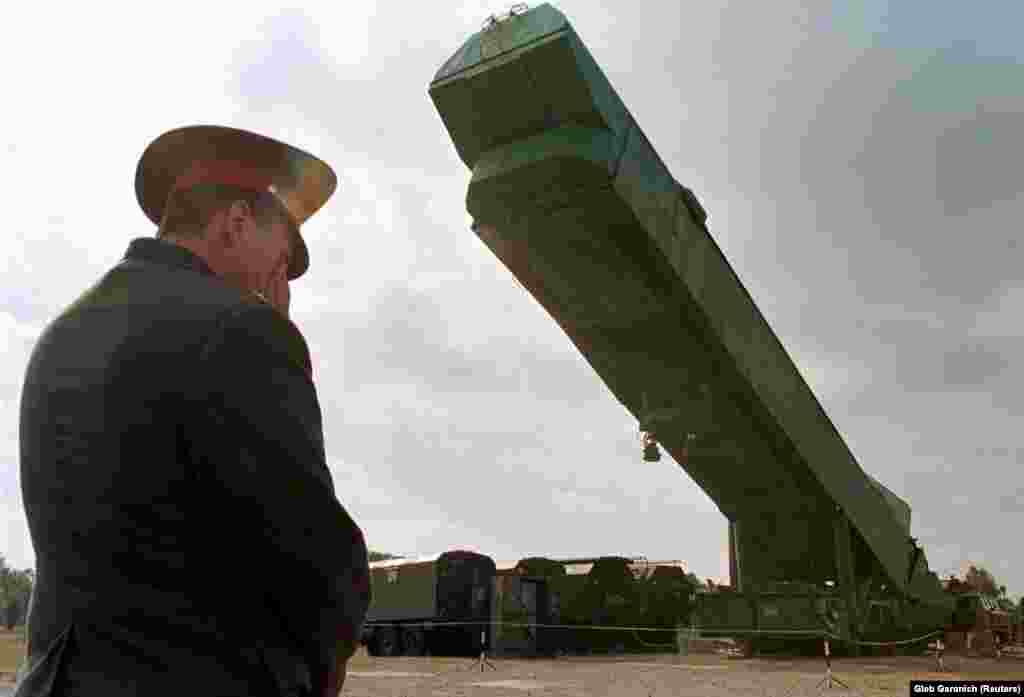
Twenty-five years ago, Ukraine possessed the world’s third-largest nuclear arsenal. Following two years of talks been the United States, Russia, and Ukraine, Ukraine agreed to remove all nuclear weapons from its soil in exchange for assurances that Russia would respect its sovereignty.

Twenty-five years ago, Ukraine possessed the world’s third-largest nuclear arsenal. Following two years of talks been the United States, Russia, and Ukraine, Ukraine agreed to remove all nuclear weapons from its soil in exchange for assurances that Russia would respect its sovereignty.
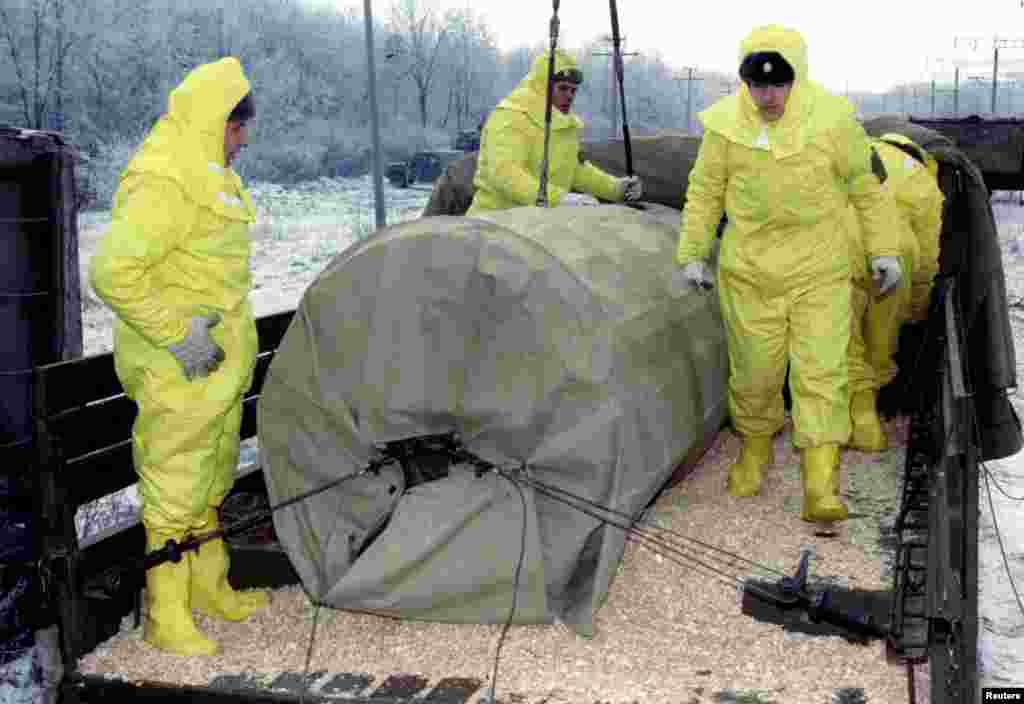
Twenty-five years ago, Ukraine possessed the world’s third-largest nuclear arsenal. Following two years of talks been the United States, Russia, and Ukraine, Ukraine agreed to remove all nuclear weapons from its soil in exchange for assurances that Russia would respect its sovereignty.

Twenty-five years ago, Ukraine possessed the world’s third-largest nuclear arsenal. Following two years of talks been the United States, Russia, and Ukraine, Ukraine agreed to remove all nuclear weapons from its soil in exchange for assurances that Russia would respect its sovereignty.

Twenty-five years ago, Ukraine possessed the world’s third-largest nuclear arsenal. Following two years of talks been the United States, Russia, and Ukraine, Ukraine agreed to remove all nuclear weapons from its soil in exchange for assurances that Russia would respect its sovereignty.
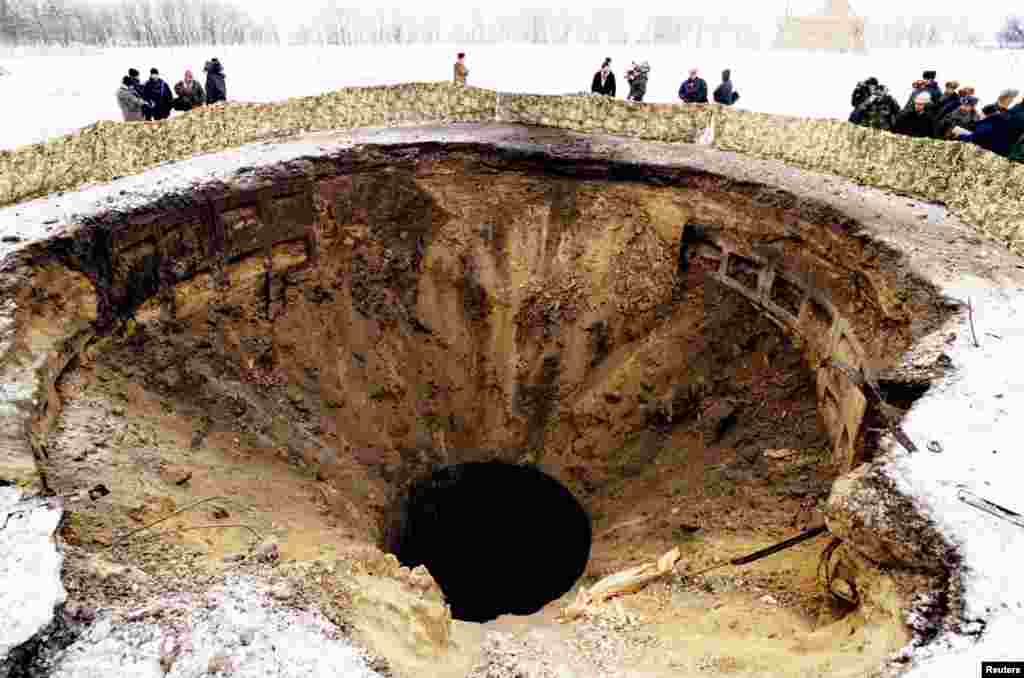
Twenty-five years ago, Ukraine possessed the world’s third-largest nuclear arsenal. Following two years of talks been the United States, Russia, and Ukraine, Ukraine agreed to remove all nuclear weapons from its soil in exchange for assurances that Russia would respect its sovereignty.
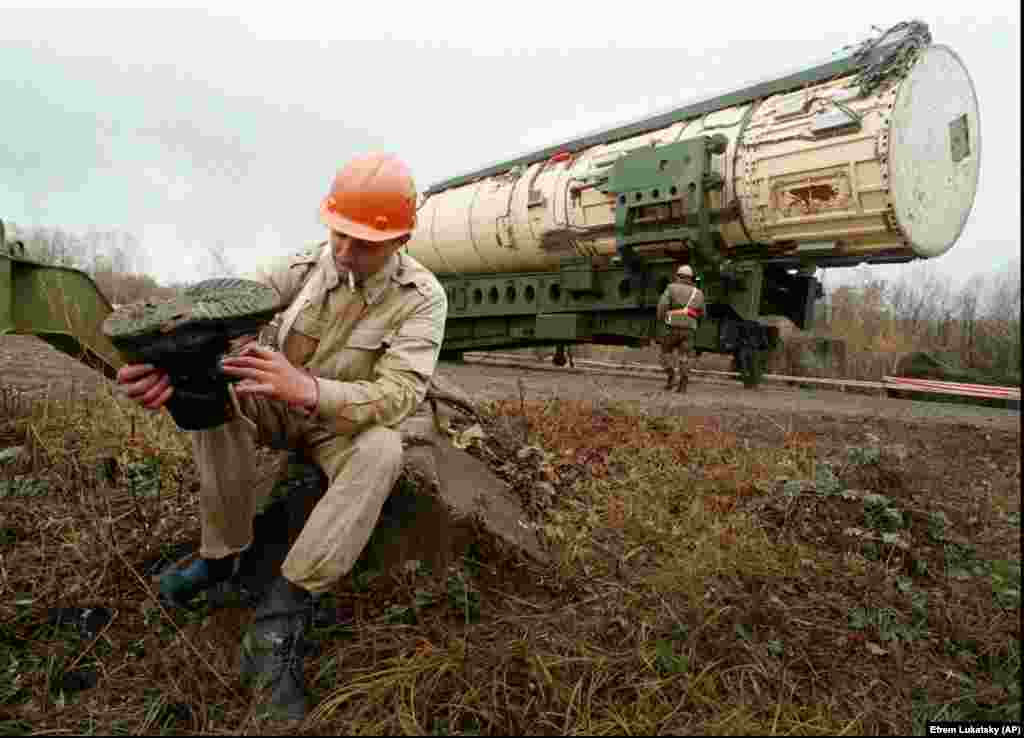
Twenty-five years ago, Ukraine possessed the world’s third-largest nuclear arsenal. Following two years of talks been the United States, Russia, and Ukraine, Ukraine agreed to remove all nuclear weapons from its soil in exchange for assurances that Russia would respect its sovereignty.

Twenty-five years ago, Ukraine possessed the world’s third-largest nuclear arsenal. Following two years of talks been the United States, Russia, and Ukraine, Ukraine agreed to remove all nuclear weapons from its soil in exchange for assurances that Russia would respect its sovereignty.
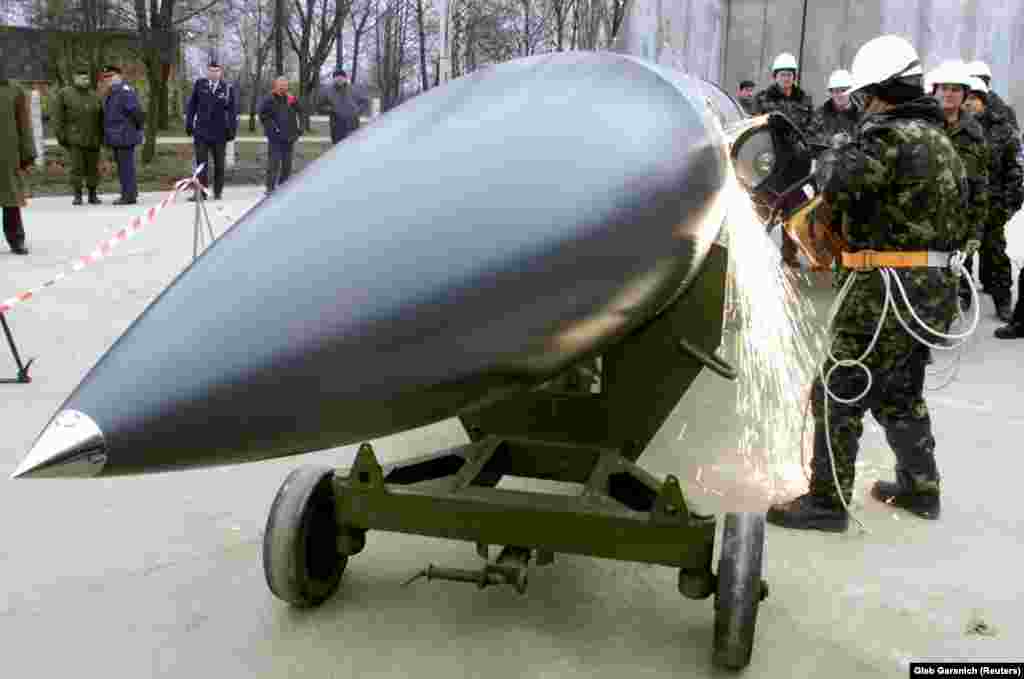
Twenty-five years ago, Ukraine possessed the world’s third-largest nuclear arsenal. Following two years of talks been the United States, Russia, and Ukraine, Ukraine agreed to remove all nuclear weapons from its soil in exchange for assurances that Russia would respect its sovereignty.
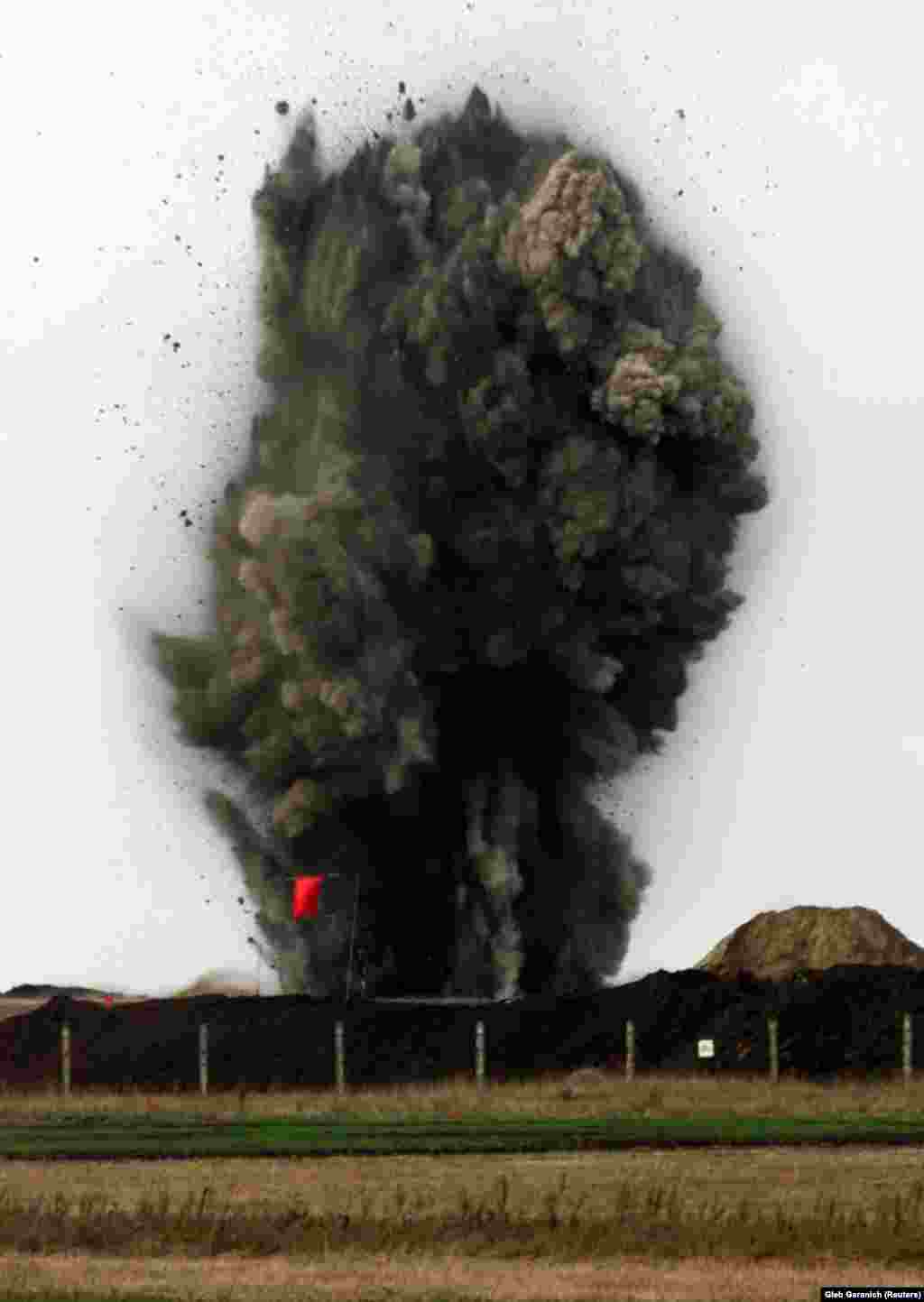
Twenty-five years ago, Ukraine possessed the world’s third-largest nuclear arsenal. Following two years of talks been the United States, Russia, and Ukraine, Ukraine agreed to remove all nuclear weapons from its soil in exchange for assurances that Russia would respect its sovereignty.

Twenty-five years ago, Ukraine possessed the world’s third-largest nuclear arsenal. Following two years of talks been the United States, Russia, and Ukraine, Ukraine agreed to remove all nuclear weapons from its soil in exchange for assurances that Russia would respect its sovereignty.
09:58
13.1.2019
09:58
13.1.2019
09:57
13.1.2019
09:13
13.1.2019
09:10
13.1.2019
09:10
13.1.2019
09:09
13.1.2019