




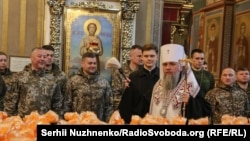
Kyiv reported more than 450 violations of a 32-hour truce between Russia and Ukraine just hours after it came into force on April 11, following pledges by both countries to cease fire in light of Orthodox Easter.
The Ukrainian military said that at least 22 assault operations, 153 shelling incidents, 19 strikes by kamikaze drones, and 275 FPV drone strikes were carried out by Russian forces before 9 p.m.
While no immediate comment was made by the Kremlin, accusations of Ukraine violating the truce with drone strikes were made by the governors of Russia's border regions of Kursk and Belgorod.

"We understand who we're dealing with. Ukraine will maintain the cease-fire and respond in kind," Ukrainian President Volodymyr Zelenskyy wrote earlier on the same day on Telegram.
The brief pause in fighting was meant to last until the end of April 12. It followed another round of overnight Russian strikes on Ukraine and a fresh prisoner exchange between Moscow and Kyiv.
The Ukrainian Air Force said Russia launched 160 drones at the country before the truce began. Local officials reported dozens injured across the country and at least two people killed in Ukraine’s major port city of Odesa, as well as in the Dnipropetrovsk and Kherson regions.

"It was a horror," a local Odesa resident told RFE/RL's Ukrainian Service after the strikes. "I heard something flying and falling. I didn't realize what happened. It was a split second. My daughter run into me shouting that the place was on fire."
According to Serhiy Lysak, head of the Odesa military administration, the attack damaged private and multistory residential buildings, a local dormitory, and a kindergarten.
Russia's Defense Ministry also claimed it shot down 99 Ukrainian drones.
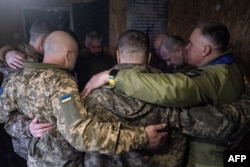
Separately, hours before the truce, the two sides exchanged 175 soldiers each. Zelenskyy said there were injured among those returned from Russia, adding the majority of those returned had been held by Moscow since the beginning of its full-scale invasion of Ukraine in 2022.
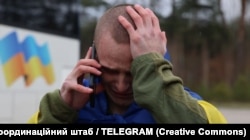
Andriy Yusov, Ukraine's deputy head of the Coordination Headquarters for the Treatment of Prisoners of War, told RFE/RL's Ukrainian Service that Kyiv was suggesting a broader exchange to Moscow, but it has refused some of the proposed initiatives.
Ukraine has also sought to prolong the Easter truce into a lasting cease-fire. The Kremlin rejected an idea on April 11, saying it will stay short-term and describing it only as a humanitarian measure.
During earlier precedents, both sides accused the other of using the time to resupply and redeploy troops, as well as of other incidents along one of the largest front lines in a conventional war since World War II.
Speaking to Current Time on April 10, some local residents in Ukraine's war-torn eastern city of Kramatorsk in the Donetsk region -- which was hit by Russian forces on April 11 -- said that while they were trying to be hopeful, they doubted the fighting would indeed stop.
"This is a holy day…. I hope [it will happen]," one woman said. She burst out laughing shortly after being asked how many of such truces had actually been realized.
"It is hard to believe…. We need to have our [Easter bread] blessed. But it means putting the lives of our loved ones at risk," another man said, standing behind an anti-drone net stretched across the street.
Other people who spoke with Current Time further emphasized that the Easter truce would last only a little more than a day, saying they did not expect it to make a significant difference in the conflict, now in its fifth year.



