



Accessibility links

Breaking News

HRW Documents Torture Of Political Prisoners In Uzbekistan

Updated
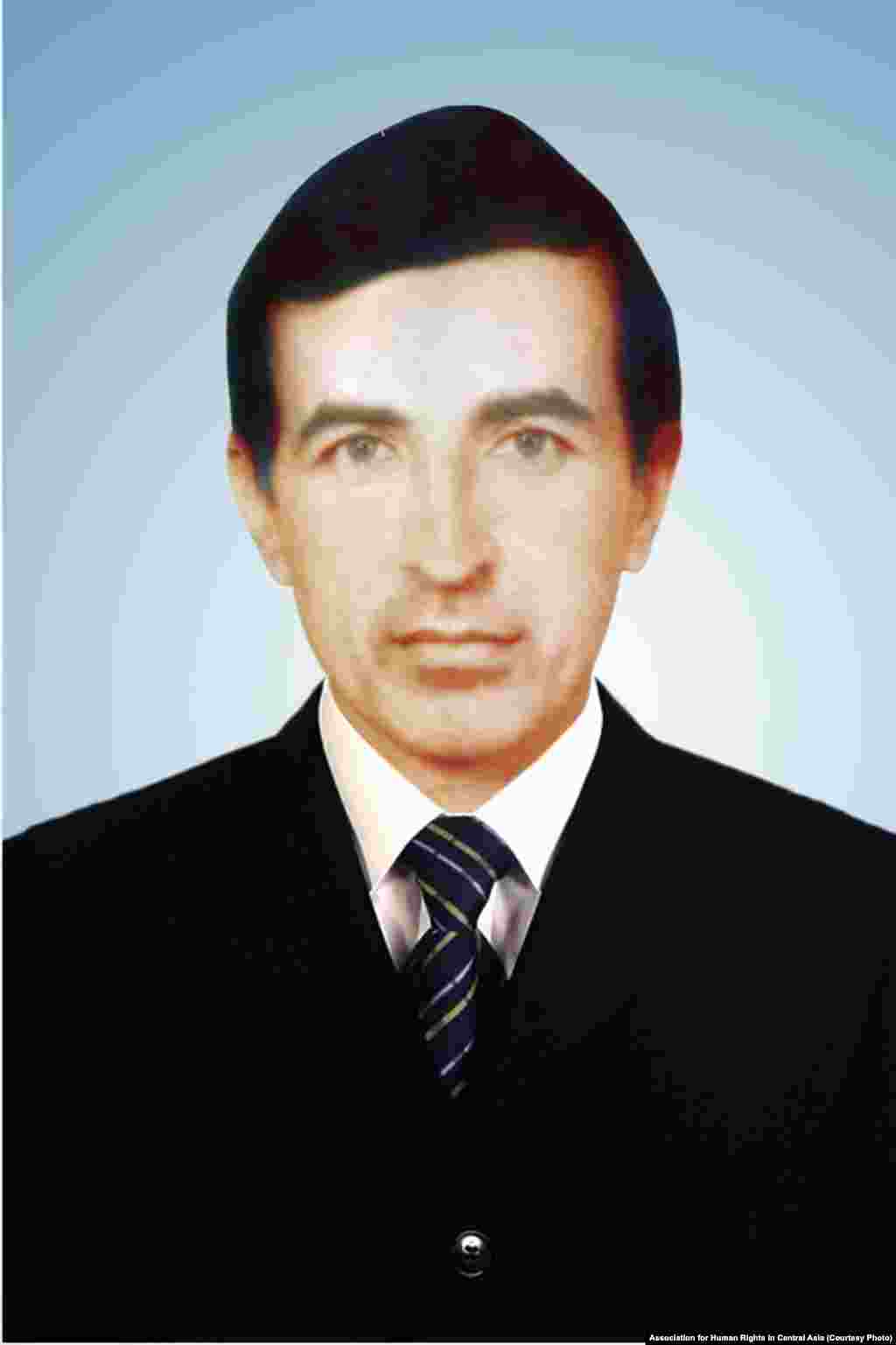
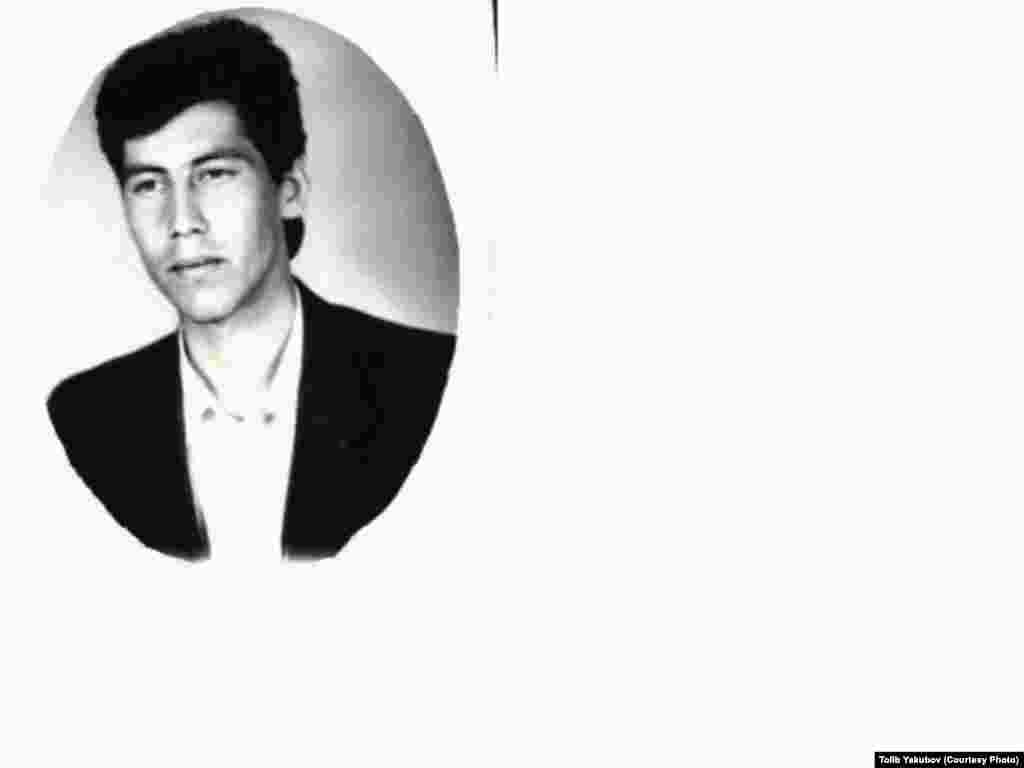
Opposition politician Murod Juraev was arrested in 1994. Authorities have extended his sentence four times for so-called “violations of prison rules,” including “peeling carrots incorrectly.”
1/23 Opposition politician Murod Juraev was arrested in 1994. Authorities have extended his sentence four times for so-called “violations of prison rules,” including “peeling carrots incorrectly.”
Based on court documents and extensive interviews, a new report by Human Rights Watch (HRW) finds that those jailed in Uzbekistan on politically motivated charges are subjected to torture and abysmal prison conditions. HRW says Uzbekistan has one of the world’s worst human rights records and has unlawfully imprisoned thousands of people for the peaceful exercise of their freedom of expression. HRW spoke with more than 150 people, including 10 recently released prisoners. Here are the stories of some of those prisoners. (Captions by HRW)
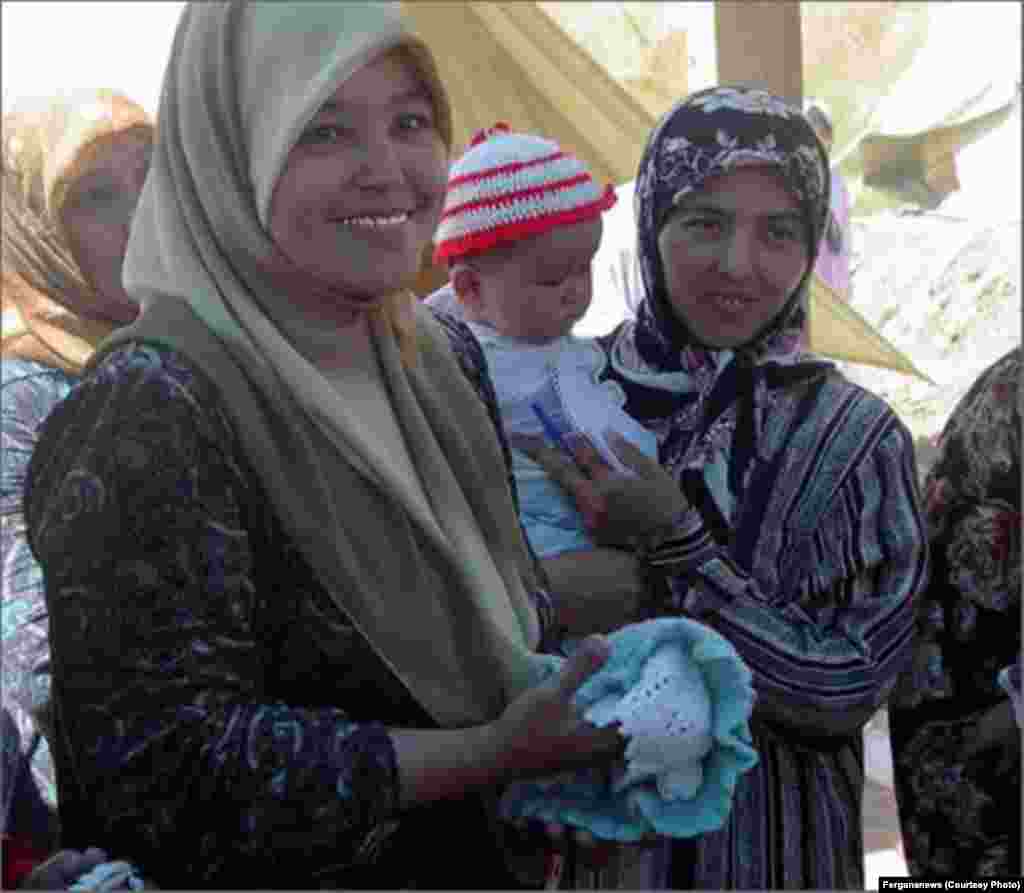
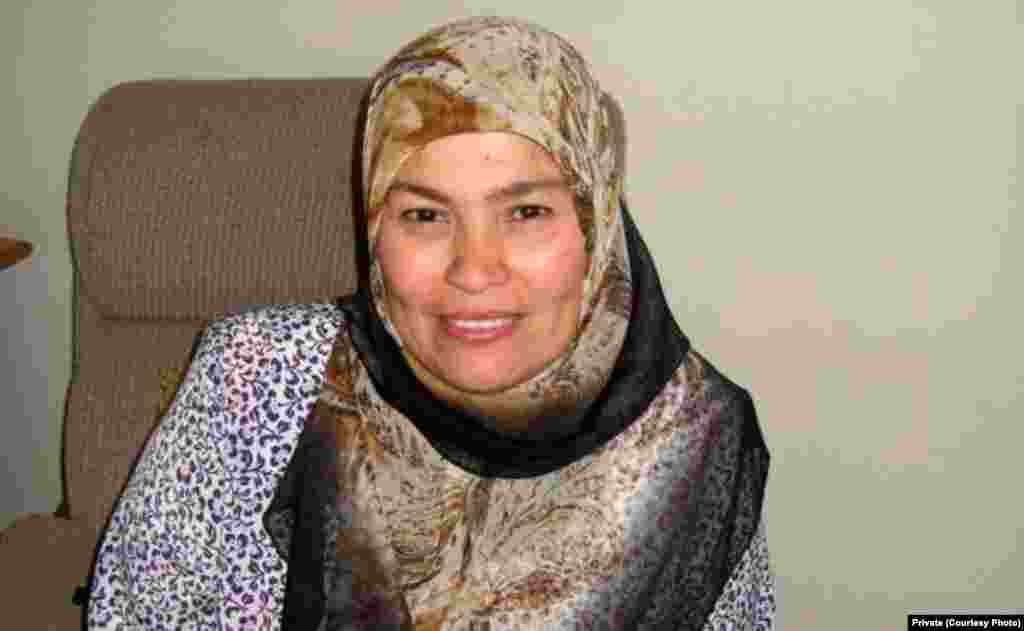
Yodgoroi Yuldasheva is the wife of imprisoned spiritual leader Akram Yuldashev. Authorities accuse him of organizing the Andijon protests of May 2005, even though he has been imprisoned since 1999 on other politically motivated charges. Authorities refuse to disclose his current whereabouts.
2/23 Yodgoroi Yuldasheva is the wife of imprisoned spiritual leader Akram Yuldashev. Authorities accuse him of organizing the Andijon protests of May 2005, even though he has been imprisoned since 1999 on other politically motivated charges. Authorities refuse to disclose his current whereabouts.
Based on court documents and extensive interviews, a new report by Human Rights Watch (HRW) finds that those jailed in Uzbekistan on politically motivated charges are subjected to torture and abysmal prison conditions. HRW says Uzbekistan has one of the world’s worst human rights records and has unlawfully imprisoned thousands of people for the peaceful exercise of their freedom of expression. HRW spoke with more than 150 people, including 10 recently released prisoners. Here are the stories of some of those prisoners. (Captions by HRW)
Bobomurod Razzakov, 61, is the head of the Bukhara office of Ezgulik. He was arrested on fabricated charges of human trafficking and sentenced to four years in prison in September 2013.
3/23 Bobomurod Razzakov, 61, is the head of the Bukhara office of Ezgulik. He was arrested on fabricated charges of human trafficking and sentenced to four years in prison in September 2013.
Based on court documents and extensive interviews, a new report by Human Rights Watch (HRW) finds that those jailed in Uzbekistan on politically motivated charges are subjected to torture and abysmal prison conditions. HRW says Uzbekistan has one of the world’s worst human rights records and has unlawfully imprisoned thousands of people for the peaceful exercise of their freedom of expression. HRW spoke with more than 150 people, including 10 recently released prisoners. Here are the stories of some of those prisoners. (Captions by HRW)
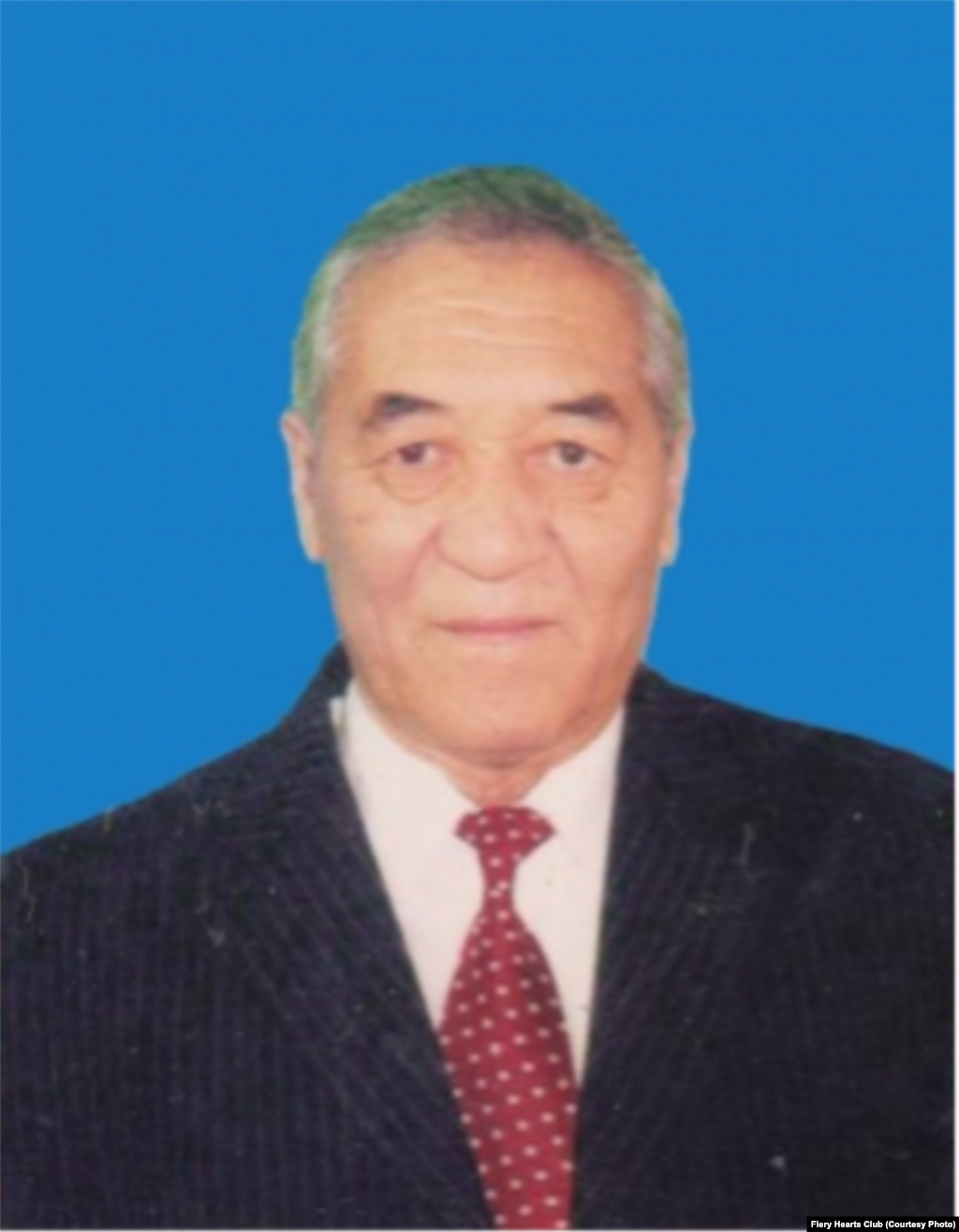
Seventy-five-year-old rights activist Turaboi Juraboev was sentenced to five years in prison in 2013 and suffered torture in custody before being amnestied.
4/23 Seventy-five-year-old rights activist Turaboi Juraboev was sentenced to five years in prison in 2013 and suffered torture in custody before being amnestied.
Based on court documents and extensive interviews, a new report by Human Rights Watch (HRW) finds that those jailed in Uzbekistan on politically motivated charges are subjected to torture and abysmal prison conditions. HRW says Uzbekistan has one of the world’s worst human rights records and has unlawfully imprisoned thousands of people for the peaceful exercise of their freedom of expression. HRW spoke with more than 150 people, including 10 recently released prisoners. Here are the stories of some of those prisoners. (Captions by HRW)
Writer and opposition figure Mahmadali Mahmudov was released in 2013 after serving over 14 years on trumped-up charges of extremism. He suffered torture and had his sentence extended in prison.
5/23 Writer and opposition figure Mahmadali Mahmudov was released in 2013 after serving over 14 years on trumped-up charges of extremism. He suffered torture and had his sentence extended in prison.
Based on court documents and extensive interviews, a new report by Human Rights Watch (HRW) finds that those jailed in Uzbekistan on politically motivated charges are subjected to torture and abysmal prison conditions. HRW says Uzbekistan has one of the world’s worst human rights records and has unlawfully imprisoned thousands of people for the peaceful exercise of their freedom of expression. HRW spoke with more than 150 people, including 10 recently released prisoners. Here are the stories of some of those prisoners. (Captions by HRW)
Rights activist Gulnaza Yuldasheva was imprisoned in July 2012 on extortion charges after conducting an investigation into officials’ involvement in human trafficking.
6/23 Rights activist Gulnaza Yuldasheva was imprisoned in July 2012 on extortion charges after conducting an investigation into officials’ involvement in human trafficking.
Based on court documents and extensive interviews, a new report by Human Rights Watch (HRW) finds that those jailed in Uzbekistan on politically motivated charges are subjected to torture and abysmal prison conditions. HRW says Uzbekistan has one of the world’s worst human rights records and has unlawfully imprisoned thousands of people for the peaceful exercise of their freedom of expression. HRW spoke with more than 150 people, including 10 recently released prisoners. Here are the stories of some of those prisoners. (Captions by HRW)
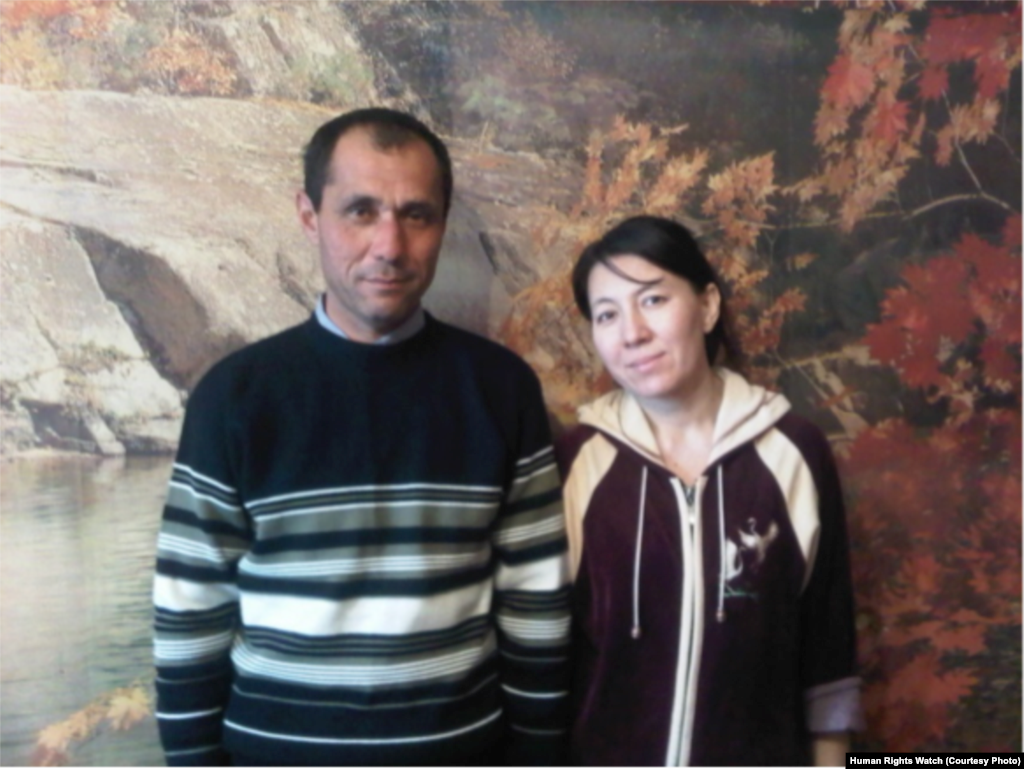
Farkhodkhon Mukhtarov and his wife, Surayo, five days after his release from prison in December 2010. His release came one day after U.S. Secretary of State Hillary Clinton publicly promised to raise cases of imprisoned human rights activists with President Islam Karimov during a visit to Tashkent.
7/23 Farkhodkhon Mukhtarov and his wife, Surayo, five days after his release from prison in December 2010. His release came one day after U.S. Secretary of State Hillary Clinton publicly promised to raise cases of imprisoned human rights activists with President Islam Karimov during a visit to Tashkent.
Based on court documents and extensive interviews, a new report by Human Rights Watch (HRW) finds that those jailed in Uzbekistan on politically motivated charges are subjected to torture and abysmal prison conditions. HRW says Uzbekistan has one of the world’s worst human rights records and has unlawfully imprisoned thousands of people for the peaceful exercise of their freedom of expression. HRW spoke with more than 150 people, including 10 recently released prisoners. Here are the stories of some of those prisoners. (Captions by HRW)
Kayum Ortikov is a former employee of the British Embassy in Tashkent who was tortured to extract a confession of espionage for the U.K. Released in 2009, he fled Uzbekistan and now lives in the United States with his family.
8/23 Kayum Ortikov is a former employee of the British Embassy in Tashkent who was tortured to extract a confession of espionage for the U.K. Released in 2009, he fled Uzbekistan and now lives in the United States with his family.
Based on court documents and extensive interviews, a new report by Human Rights Watch (HRW) finds that those jailed in Uzbekistan on politically motivated charges are subjected to torture and abysmal prison conditions. HRW says Uzbekistan has one of the world’s worst human rights records and has unlawfully imprisoned thousands of people for the peaceful exercise of their freedom of expression. HRW spoke with more than 150 people, including 10 recently released prisoners. Here are the stories of some of those prisoners. (Captions by HRW)
Imprisoned spiritual leader Akram Yuldashev allegedly confessing on Uzbekistan’s state-controlled television to organizing the May 2005 protests in Andijon. His family has not heard from or seen him for three years.
9/23 Imprisoned spiritual leader Akram Yuldashev allegedly confessing on Uzbekistan’s state-controlled television to organizing the May 2005 protests in Andijon. His family has not heard from or seen him for three years.
Based on court documents and extensive interviews, a new report by Human Rights Watch (HRW) finds that those jailed in Uzbekistan on politically motivated charges are subjected to torture and abysmal prison conditions. HRW says Uzbekistan has one of the world’s worst human rights records and has unlawfully imprisoned thousands of people for the peaceful exercise of their freedom of expression. HRW spoke with more than 150 people, including 10 recently released prisoners. Here are the stories of some of those prisoners. (Captions by HRW)
Erkin Musaev served in the Ministry of Defense and then the United Nations Development Program (UNDP) before being imprisoned on espionage charges in 2006.
10/23 Erkin Musaev served in the Ministry of Defense and then the United Nations Development Program (UNDP) before being imprisoned on espionage charges in 2006.
Based on court documents and extensive interviews, a new report by Human Rights Watch (HRW) finds that those jailed in Uzbekistan on politically motivated charges are subjected to torture and abysmal prison conditions. HRW says Uzbekistan has one of the world’s worst human rights records and has unlawfully imprisoned thousands of people for the peaceful exercise of their freedom of expression. HRW spoke with more than 150 people, including 10 recently released prisoners. Here are the stories of some of those prisoners. (Captions by HRW)
Imprisoned since 2010, authorities repeatedly hid journalist Solijon Abdurakhmanov from representatives of the International Committee for the Red Cross when they tried to visit him in Karshi prison.
11/23 Imprisoned since 2010, authorities repeatedly hid journalist Solijon Abdurakhmanov from representatives of the International Committee for the Red Cross when they tried to visit him in Karshi prison.
Based on court documents and extensive interviews, a new report by Human Rights Watch (HRW) finds that those jailed in Uzbekistan on politically motivated charges are subjected to torture and abysmal prison conditions. HRW says Uzbekistan has one of the world’s worst human rights records and has unlawfully imprisoned thousands of people for the peaceful exercise of their freedom of expression. HRW spoke with more than 150 people, including 10 recently released prisoners. Here are the stories of some of those prisoners. (Captions by HRW)
Since 2005, Fahriddin Tillaev has advocated for workers’ rights in southeastern Uzbekistan. He was arrested in 2014. Authorities stuck needles between his fingers and toes to force him into a false confession for human trafficking. He is serving an eight-year sentence in Navoi prison.
12/23 Since 2005, Fahriddin Tillaev has advocated for workers’ rights in southeastern Uzbekistan. He was arrested in 2014. Authorities stuck needles between his fingers and toes to force him into a false confession for human trafficking. He is serving an eight-year sentence in Navoi prison.
Based on court documents and extensive interviews, a new report by Human Rights Watch (HRW) finds that those jailed in Uzbekistan on politically motivated charges are subjected to torture and abysmal prison conditions. HRW says Uzbekistan has one of the world’s worst human rights records and has unlawfully imprisoned thousands of people for the peaceful exercise of their freedom of expression. HRW spoke with more than 150 people, including 10 recently released prisoners. Here are the stories of some of those prisoners. (Captions by HRW)
According to the Committee to Protect Journalists, Muhammad Bekjanov (seen here in his Kyiv apartment circa 1998) and a colleague, Yusuf Ruzimuradov, both of whom were jailed in 1999, have been in prison for longer than any other journalists worldwide.
13/23 According to the Committee to Protect Journalists, Muhammad Bekjanov (seen here in his Kyiv apartment circa 1998) and a colleague, Yusuf Ruzimuradov, both of whom were jailed in 1999, have been in prison for longer than any other journalists worldwide.
Based on court documents and extensive interviews, a new report by Human Rights Watch (HRW) finds that those jailed in Uzbekistan on politically motivated charges are subjected to torture and abysmal prison conditions. HRW says Uzbekistan has one of the world’s worst human rights records and has unlawfully imprisoned thousands of people for the peaceful exercise of their freedom of expression. HRW spoke with more than 150 people, including 10 recently released prisoners. Here are the stories of some of those prisoners. (Captions by HRW)
Dilmurod Saidov is an investigative journalist known for his muckraking reports on corruption. Saidov suffers from tuberculosis and is imprisoned near Karshi. His brother, Obid, told Human Rights Watch that his brother “is no longer living, but merely existing."
14/23 Dilmurod Saidov is an investigative journalist known for his muckraking reports on corruption. Saidov suffers from tuberculosis and is imprisoned near Karshi. His brother, Obid, told Human Rights Watch that his brother “is no longer living, but merely existing."
Based on court documents and extensive interviews, a new report by Human Rights Watch (HRW) finds that those jailed in Uzbekistan on politically motivated charges are subjected to torture and abysmal prison conditions. HRW says Uzbekistan has one of the world’s worst human rights records and has unlawfully imprisoned thousands of people for the peaceful exercise of their freedom of expression. HRW spoke with more than 150 people, including 10 recently released prisoners. Here are the stories of some of those prisoners. (Captions by HRW)
Authorities should have released imprisoned rights activist Ganikhon Mamatkhanov in March 2014 but extended his sentence for unspecified “violations of prison rules” following a closed hearing.
15/23 Authorities should have released imprisoned rights activist Ganikhon Mamatkhanov in March 2014 but extended his sentence for unspecified “violations of prison rules” following a closed hearing.
Based on court documents and extensive interviews, a new report by Human Rights Watch (HRW) finds that those jailed in Uzbekistan on politically motivated charges are subjected to torture and abysmal prison conditions. HRW says Uzbekistan has one of the world’s worst human rights records and has unlawfully imprisoned thousands of people for the peaceful exercise of their freedom of expression. HRW spoke with more than 150 people, including 10 recently released prisoners. Here are the stories of some of those prisoners. (Captions by HRW)
Following the May 2005 Andijon massacre, Isroiljon Kholdorov spoke to international media about mass graves in Andijon. Uzbek authorities later kidnapped him in 2005 from neighboring Kyrgyzstan, where he had fled for safety, brought him back to Uzbekistan and imprisoned him. He is serving a 10-year sentence, but his relatives fear his sentence could be further extended.
16/23 Following the May 2005 Andijon massacre, Isroiljon Kholdorov spoke to international media about mass graves in Andijon. Uzbek authorities later kidnapped him in 2005 from neighboring Kyrgyzstan, where he had fled for safety, brought him back to Uzbekistan and imprisoned him. He is serving a 10-year sentence, but his relatives fear his sentence could be further extended.
Based on court documents and extensive interviews, a new report by Human Rights Watch (HRW) finds that those jailed in Uzbekistan on politically motivated charges are subjected to torture and abysmal prison conditions. HRW says Uzbekistan has one of the world’s worst human rights records and has unlawfully imprisoned thousands of people for the peaceful exercise of their freedom of expression. HRW spoke with more than 150 people, including 10 recently released prisoners. Here are the stories of some of those prisoners. (Captions by HRW)
Before his arrest and torture by authorities in 2014, Nuriddin Jumaniyazov headed the Tashkent chapter of the Union of Independent Trade Unions, which protects the rights of labor migrants.
17/23 Before his arrest and torture by authorities in 2014, Nuriddin Jumaniyazov headed the Tashkent chapter of the Union of Independent Trade Unions, which protects the rights of labor migrants.
Based on court documents and extensive interviews, a new report by Human Rights Watch (HRW) finds that those jailed in Uzbekistan on politically motivated charges are subjected to torture and abysmal prison conditions. HRW says Uzbekistan has one of the world’s worst human rights records and has unlawfully imprisoned thousands of people for the peaceful exercise of their freedom of expression. HRW spoke with more than 150 people, including 10 recently released prisoners. Here are the stories of some of those prisoners. (Captions by HRW)
Azam Farmonov has been tortured repeatedly since his arrest in 2006. He is currently held at Jaslyk prison. UN bodies and several governments have called for Jaslyk to be closed after repeated allegations of torture.
18/23 Azam Farmonov has been tortured repeatedly since his arrest in 2006. He is currently held at Jaslyk prison. UN bodies and several governments have called for Jaslyk to be closed after repeated allegations of torture.
Based on court documents and extensive interviews, a new report by Human Rights Watch (HRW) finds that those jailed in Uzbekistan on politically motivated charges are subjected to torture and abysmal prison conditions. HRW says Uzbekistan has one of the world’s worst human rights records and has unlawfully imprisoned thousands of people for the peaceful exercise of their freedom of expression. HRW spoke with more than 150 people, including 10 recently released prisoners. Here are the stories of some of those prisoners. (Captions by HRW)
Yuldash Rasulov is a rights activist from Karshi currently imprisoned on charges of “threatening the constitutional order” and “membership in a banned religious organization.”
19/23 Yuldash Rasulov is a rights activist from Karshi currently imprisoned on charges of “threatening the constitutional order” and “membership in a banned religious organization.”
Based on court documents and extensive interviews, a new report by Human Rights Watch (HRW) finds that those jailed in Uzbekistan on politically motivated charges are subjected to torture and abysmal prison conditions. HRW says Uzbekistan has one of the world’s worst human rights records and has unlawfully imprisoned thousands of people for the peaceful exercise of their freedom of expression. HRW spoke with more than 150 people, including 10 recently released prisoners. Here are the stories of some of those prisoners. (Captions by HRW)
In 2013, Ferghana Valley-based activist Nematjon Siddikov was arrested after his family was assaulted at home by unknown assailants following his investigation into local police corruption. He was sentenced to six years but later released under amnesty.
20/23 In 2013, Ferghana Valley-based activist Nematjon Siddikov was arrested after his family was assaulted at home by unknown assailants following his investigation into local police corruption. He was sentenced to six years but later released under amnesty.
Based on court documents and extensive interviews, a new report by Human Rights Watch (HRW) finds that those jailed in Uzbekistan on politically motivated charges are subjected to torture and abysmal prison conditions. HRW says Uzbekistan has one of the world’s worst human rights records and has unlawfully imprisoned thousands of people for the peaceful exercise of their freedom of expression. HRW spoke with more than 150 people, including 10 recently released prisoners. Here are the stories of some of those prisoners. (Captions by HRW)
An eyewitness to the Andijon massacre, Dilorom Abdukodirova fled in 2005 to Kyrgyzstan, then Australia. In 2010, after returning to Uzbekistan to reunite with her husband and children, authorities arrested her at the Tashkent airport, prosecuted her on charges of “extremism,” and sentenced her to 10 years. Abdukodirova suffered ill-treatment in custody. In 2012, authorities extended her sentence by an additional eight years.
21/23 An eyewitness to the Andijon massacre, Dilorom Abdukodirova fled in 2005 to Kyrgyzstan, then Australia. In 2010, after returning to Uzbekistan to reunite with her husband and children, authorities arrested her at the Tashkent airport, prosecuted her on charges of “extremism,” and sentenced her to 10 years. Abdukodirova suffered ill-treatment in custody. In 2012, authorities extended her sentence by an additional eight years.
Based on court documents and extensive interviews, a new report by Human Rights Watch (HRW) finds that those jailed in Uzbekistan on politically motivated charges are subjected to torture and abysmal prison conditions. HRW says Uzbekistan has one of the world’s worst human rights records and has unlawfully imprisoned thousands of people for the peaceful exercise of their freedom of expression. HRW spoke with more than 150 people, including 10 recently released prisoners. Here are the stories of some of those prisoners. (Captions by HRW)
Rights activist Chuyan Mamatkulov, imprisoned in Navoi, photgraphed with his two children in Kashkadarya Province.
22/23 Rights activist Chuyan Mamatkulov, imprisoned in Navoi, photgraphed with his two children in Kashkadarya Province.
Based on court documents and extensive interviews, a new report by Human Rights Watch (HRW) finds that those jailed in Uzbekistan on politically motivated charges are subjected to torture and abysmal prison conditions. HRW says Uzbekistan has one of the world’s worst human rights records and has unlawfully imprisoned thousands of people for the peaceful exercise of their freedom of expression. HRW spoke with more than 150 people, including 10 recently released prisoners. Here are the stories of some of those prisoners. (Captions by HRW)
By the time of his arrest in 2009, rights activist Gaybullo Jalilov had collected information on over 200 arrests of independent Muslims in his native province of Kashkadarya. He is currently serving an 11-year sentence in Navoi prison.
23/23 By the time of his arrest in 2009, rights activist Gaybullo Jalilov had collected information on over 200 arrests of independent Muslims in his native province of Kashkadarya. He is currently serving an 11-year sentence in Navoi prison.
Based on court documents and extensive interviews, a new report by Human Rights Watch (HRW) finds that those jailed in Uzbekistan on politically motivated charges are subjected to torture and abysmal prison conditions. HRW says Uzbekistan has one of the world’s worst human rights records and has unlawfully imprisoned thousands of people for the peaceful exercise of their freedom of expression. HRW spoke with more than 150 people, including 10 recently released prisoners. Here are the stories of some of those prisoners. (Captions by HRW)
Previous slide
Next slide

Uzbeks jailed on politically motivated charges are subjected to torture and abysmal prison conditions, according to Human Rights Watch (HRW).

The finding of the rights watchdog's 121-page report, "Until The Very End: Politically Motivated Imprisonment In Uzbekistan," released on September 26, are based on court documents and extensive interviews, including with 10 recently released prisoners.

Various accounts of torture -- including beatings, electric shock, simulated suffocation, threats of rape, and sexual humiliation -- are described in the report.

In many cases prison sentences are handed down based on ill-defined or fabricated charges, and can be extended arbitrarily on what HRW Central Asia researcher Steve Swerdlow describes as "bizarre grounds."

"We were able to document 14 cases out of 44 cases in the report where prisoners had their sentences extended," Swerdlow told RFE/RL.

"And the extensions were for such reasons as improperly peeling carrots in the prison kitchen, failure to remove your shoes, wearing a white shirt, saying your prayers, going to the bathroom without permission."

WATCH: A video feature on the report, produced by HRW:

The researcher singles out the case of Muhammad Bekjanov, whom he describes as the world's longest-imprisoned journalist.

"His case is a perfect example of the many types of human rights violations that the Uzbek government employs in imprisoning its critics," Swerdlow said.

"He was kidnapped and sent to Uzbekistan without any legal process in 1999. He suffered horrific torture during the trial and his case also accurately describes the policy of extending sentences to political prisoners."

The report notes how Abdurasul Khudoynazarov, a rights activist who died of cancer shortly after his release this spring, told rights groups before his death that his requests for medical treatment were repeatedly denied over the course of his eight years in prison.

And in another case, rights activist Azam Farmonov, who has been imprisoned since 2006, alleges that policed forced him into a false confession by beating him on the legs and feet and placing a sealed mask on his head to simulate suffocation.

"The Uzbek government tries to hide the abuses its critics suffer in prison, even their very existence, from the world," Swerdlow said of the findings in a press release.

"This new evidence means Tashkent can no longer pretend that politically motivated imprisonment in Uzbekistan does not exist."

Some of what HRW describes as "Uzbekistan's most talented and remarkable figures" are profiled for the report, including journalists, rights activists, academics, cultural figures, and individuals involved in exposing corruption.

In its press release, HRW calls on Uzbekistan to immediately and unconditionally release everyone imprisoned on politically motivated charges.

It also urges international partners of Uzbekistan to press its president, Islam Karimov, to improve the country's human rights record.

Swerdlow told RFE/RL that "pressure does work," citing the example of Uzbekistan changing its behavior after coming under international criticism for its use of child labor during its annual cotton harvest.

  • 16x9 Image

    RFE/RL

    RFE/RL journalists report the news in 24 languages in 18 countries where a free press is banned by the government or not fully established. We provide what many people cannot get locally: uncensored news, responsible discussion, and open debate.

This item is part of
XS
SM
MD
LG