




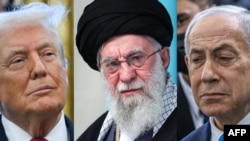
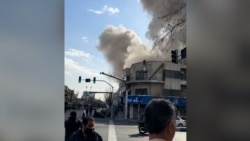
Weeks of tension with Iran and a rapid US military buildup have erupted into joint US-Israeli strikes on high-profile targets, including Iranian military sites and the residences of the country’s top brass.
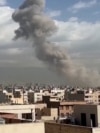
As the first wave of strikes shook major locations across the country, a central question looms amid the clouds of smoke billowing into Iranian skies: What is the ultimate objective of the Trump administration?
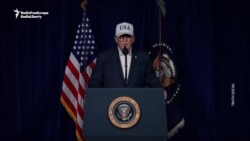
While Donald Trump’s rhetoric has swung between calls for a “better deal” and hints of regime change, his February 28 address -- combined with the nature of the current strikes -- suggests a radical policy shift.

No longer content with “maximum pressure,” the United States now appears to be pursuing the total neutralization of Iran as a regional power.
For months, Trump maintained that his goal was a new, more restrictive nuclear agreement. But as Michael Horowitz, an independent defense expert based in Israel, observes, the diplomatic path had effectively hit a dead end.
“The negotiations between Washington and Tehran clearly weren't working in the way Trump would have liked,” Horowitz told RFE/RL. “The gap is simply too wide to bridge through talks.”
According to Horowitz, Iranian officials were unwilling to offer concessions that would allow Trump to “sell” a new agreement as a superior successor to the nuclear deal he exited in 2018. With diplomacy exhausted, Washington has pivoted to force as its primary instrument of change.
Will The Public Rise?
A cornerstone of the US-Israeli strategy appears to be the hope of a domestic uprising.
In his February 28 address, Trump went further than previous US messaging by appealing directly to the Iranian public. Declaring that the “hour of your freedom is at hand,” he urged citizens to “take over” their government once the military phase of the campaign concludes.

During the 12-day war with Israel last June, similar calls for Iranians to topple the clerical establishment went largely unheeded as civilians prioritized survival and sought shelter. This time, however, the allies appear to be betting on a different psychological landscape.
Jason Brodsky, policy director at United Against Nuclear Iran (UANI) -- a US-based advocacy group working to prevent Tehran from acquiring nuclear weapons -- argues that the visible degradation of the state’s power could provide the missing catalyst.
“One hope in the campaign seems to be that the Iranian people will take to the streets and grow bolder in challenging the regime, as they will see it weakened,” Brodsky told RFE/RL.
He added that the goal is to “level the playing field” by degrading the state’s ability to crack down on dissent, theoretically allowing the “unarmed Iranian people” to reclaim their country.
Horowitz, however, offers a more cautious assessment of the street as a decisive factor. While noting that US and Israeli officials have not ruled out renewed protests, he argues the timing may not align with their expectations.
“I personally think the chances are low so long as the conflict continues,” Horowitz warned. “It is more realistic to expect a spike in unrest after the conflict ends, though the regime -- if still able -- will also be prepared.”
Dividing The Labor
The tactical execution of the strikes reveals a coordinated division of labor between the two allies, targeting both Iran’s military capabilities and its leadership.
According to Brodsky, the United States is “focusing on eroding Iran’s missile capabilities” to blunt retaliation, while Israel is concentrating on “eliminating Iranian leaders” -- a strategy reflected in reported strikes on the residences of Supreme Leader Ayatollah Khamenei and President Masud Pezeshkian.
Despite the high-intensity opening phase, the central question remains whether an aerial campaign alone can topple a 47-year-old theocracy. Horowitz notes that air power has a “poor track record” when it comes to achieving regime change.
Yet he points to a variable that could make this conflict different: Trump’s apparent appetite for escalation.
“I wouldn’t discount the possibility given how weak the Islamic republic is, and the fact that President Trump is visibly willing to absorb some blows and to carry out a longer campaign,” Horowitz said.
Ultimately, the endgame may hinge on how quickly Iran can be defanged. If its ability to launch retaliatory missile strikes or inflict global economic pain is neutralized early, Washington may feel emboldened to press forward -- until the Islamic republic either abandons its core identity or collapses under the pressure of internal unrest.