WATCH: EU-Mediated Agreement Reached Between Serbia And Kosovo To Ease Border Tensions
Serbia and Kosovo have reached an agreement during European Union-mediated talks in Brussels to end a tense standoff at their mutual border that was triggered 10 days ago by a dispute over vehicle registration plates.
Two border crossings between Serbia and Kosovo have been blocked by local Serbs since Kosovar authorities on September 20 required all drivers from Serbia entering Kosovo to use temporary printed license plates that are valid for 60 days.
Tensions High As Kosovo, Serbia Continue Border Standoff
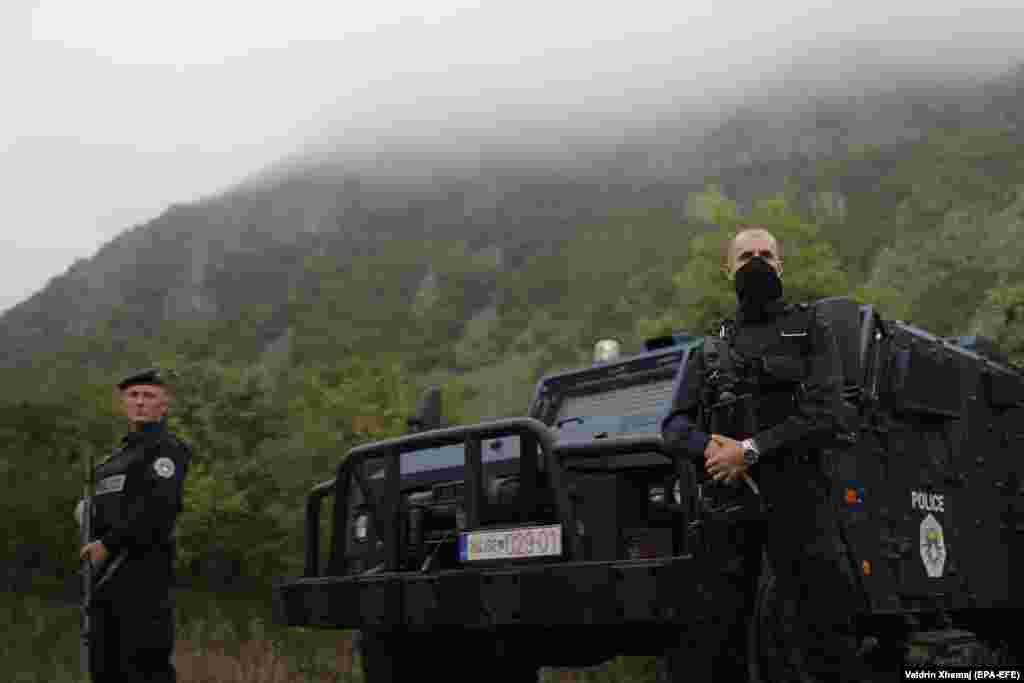
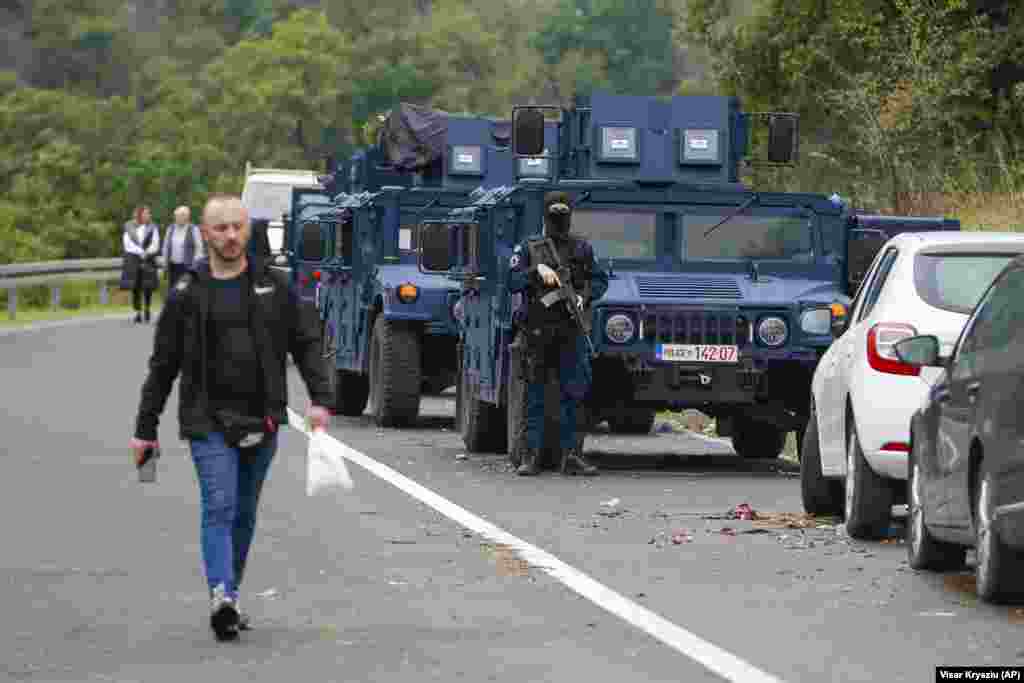
1/18Kosovar special police units patrol near the border crossing between Kosovo and Serbia in Jarinje on September 28.
Two crossings on Kosovo's border with Serbia have been blocked by local Serbs since Kosovar authorities on September 20 required all drivers from Serbia entering Kosovo to use temporary printed registration details that are valid for 60 days.
2/18Ethnic Serbs walk through barricades near the Jarinje crossing on September 28.
On September 27, Kosovar Prime Minister Albin Kurti repeated an offer for both countries to lift the rule of temporary license plates. He also said he was open to talks in Brussels, but Belgrade was refusing to hold them.
Two crossings on Kosovo's border with Serbia have been blocked by local Serbs since Kosovar authorities on September 20 required all drivers from Serbia entering Kosovo to use temporary printed registration details that are valid for 60 days.
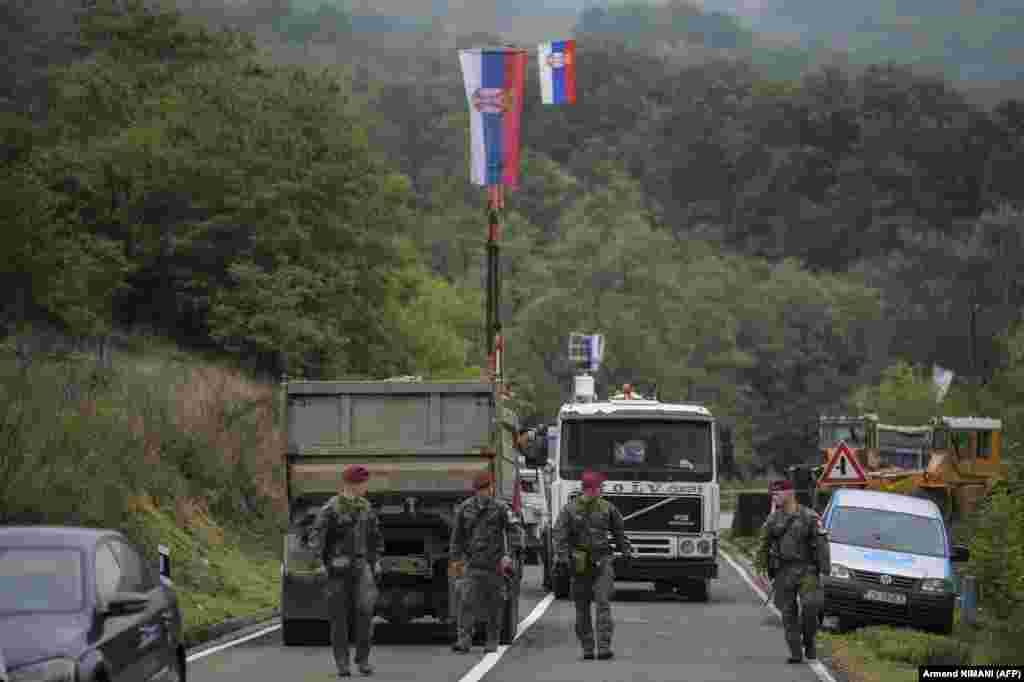
3/18NATO soldiers patrol near Jarinje on September 28, as the international community, led by the European Union, called for talks to ease tensions between Serbia and Kosovo.
NATO has led the KFOR peacekeeping force since 1999, with around 4,000 troops from 28 countries, after a 78-day bombing campaign by the military alliance ended a war that left more than 10,000 dead.
Two crossings on Kosovo's border with Serbia have been blocked by local Serbs since Kosovar authorities on September 20 required all drivers from Serbia entering Kosovo to use temporary printed registration details that are valid for 60 days.
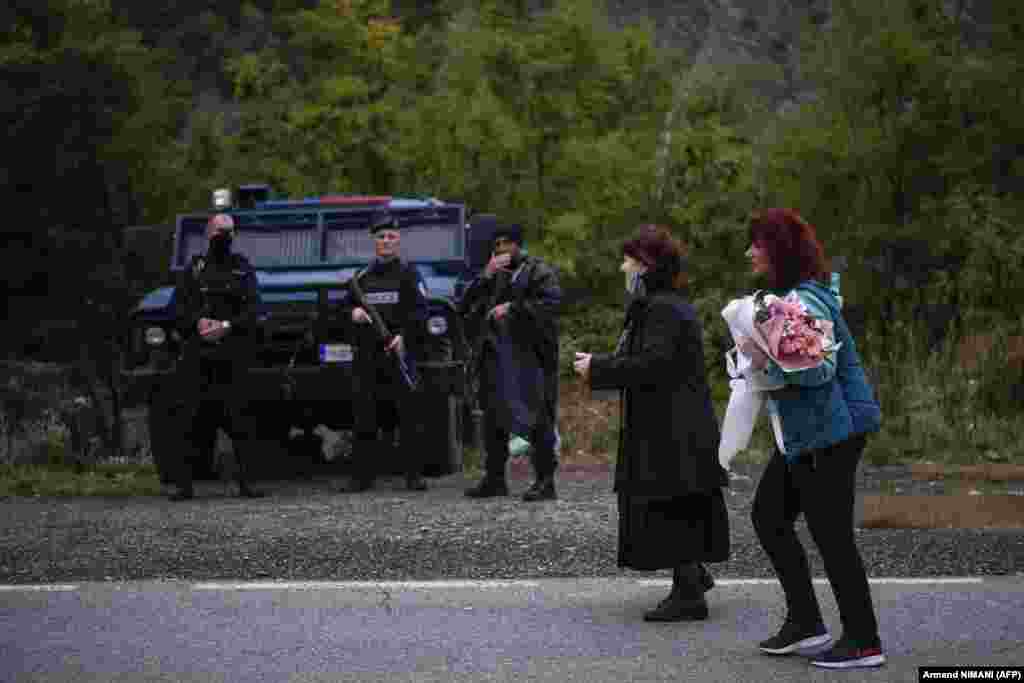
4/18Serbian women walk past Kosovar police after crossing the border on foot in Jarinje on September 28.
Serbian President Aleksandar Vucic has warned NATO that Serbia will intervene in Kosovo if Serbs there come under serious threat from the ethnic Albanian majority.
Two crossings on Kosovo's border with Serbia have been blocked by local Serbs since Kosovar authorities on September 20 required all drivers from Serbia entering Kosovo to use temporary printed registration details that are valid for 60 days.
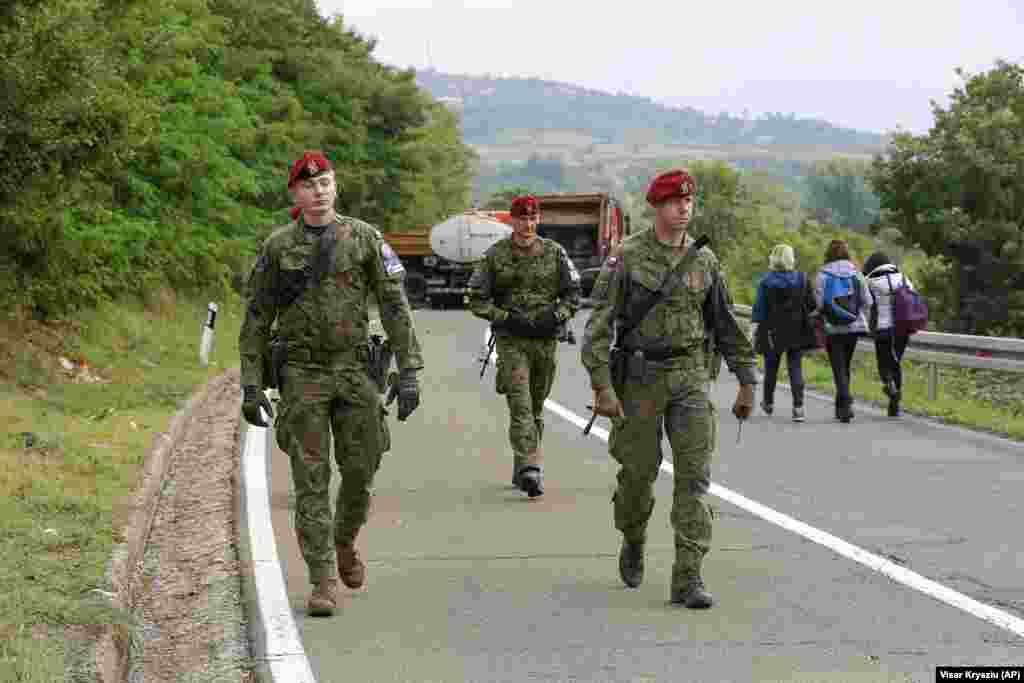
5/18Polish soldiers from KFOR pass through barricades as they patrol near Jarinje on September 28.
KFOR is supported by the United Nations, the European Union, and other international actors. Its aim is to stave off lingering ethnic tensions between ethnic Albanians and Serbs.
Two crossings on Kosovo's border with Serbia have been blocked by local Serbs since Kosovar authorities on September 20 required all drivers from Serbia entering Kosovo to use temporary printed registration details that are valid for 60 days.
6/18Kosovar police secure the area as ethnic Serbs gathered on barricades near Jarinje on September 28.
Vucic has described Kosovo's recent license-plate move as a "criminal action," and he made the withdrawal of all Kosovar special police a condition of EU-mediated negotiations to resolve the dispute.
Two crossings on Kosovo's border with Serbia have been blocked by local Serbs since Kosovar authorities on September 20 required all drivers from Serbia entering Kosovo to use temporary printed registration details that are valid for 60 days.
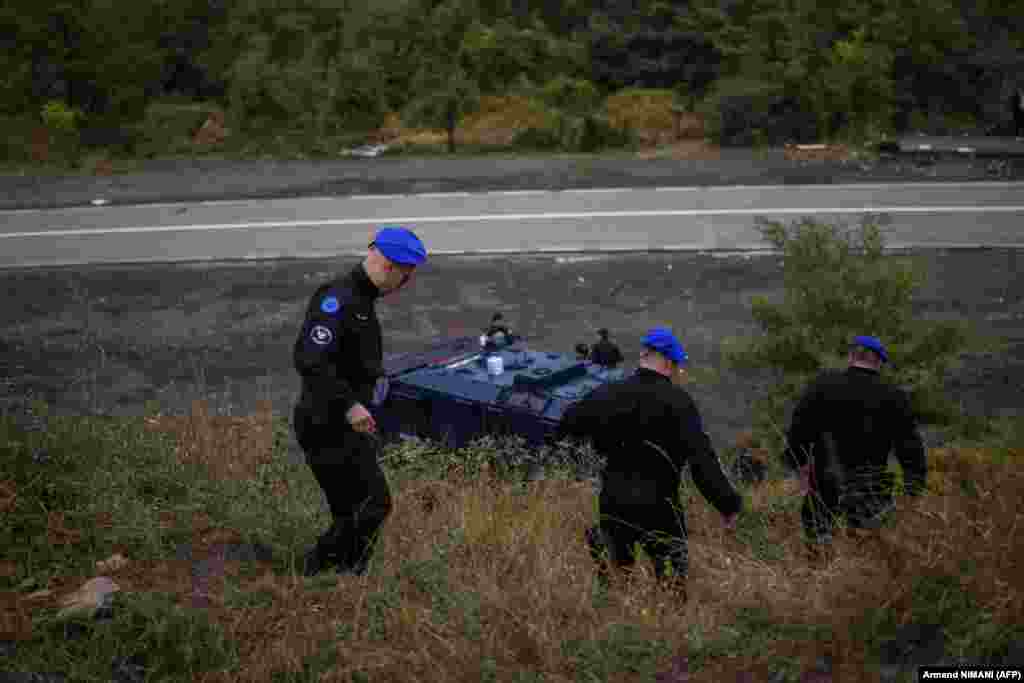
7/18EU police officers patrol near the border at Jarinje on September 28.
European Commission spokeswoman Diana Spinant on September 27 urged both sides to "sit down together and to put an end to the verbal escalation in the region."
Two crossings on Kosovo's border with Serbia have been blocked by local Serbs since Kosovar authorities on September 20 required all drivers from Serbia entering Kosovo to use temporary printed registration details that are valid for 60 days.
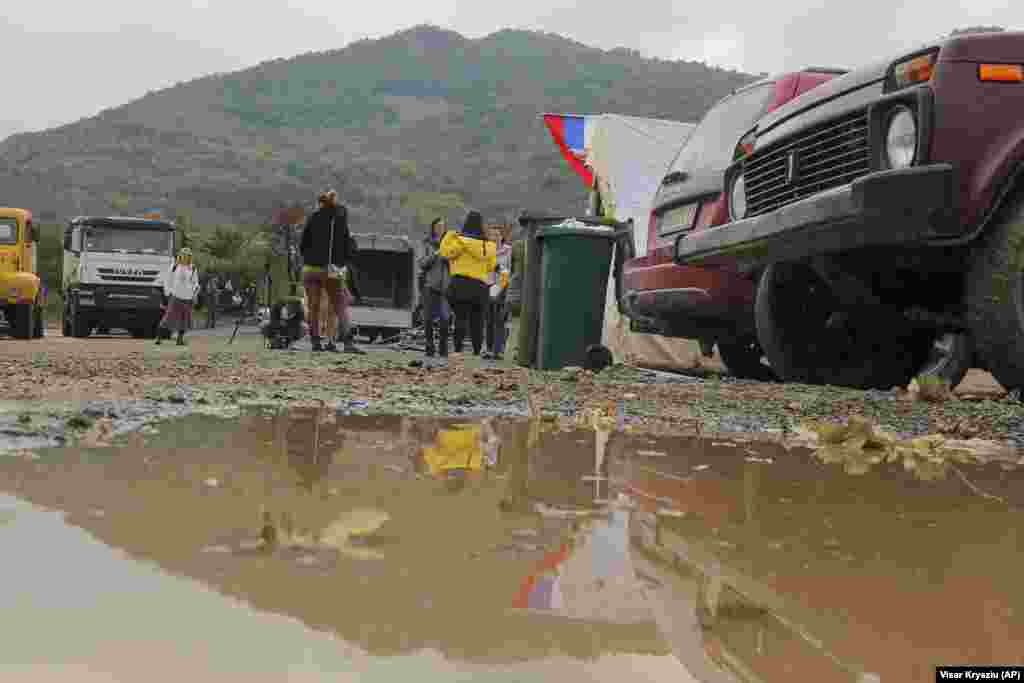
8/18Ethnic Serbs man the barricades near Jarinje on September 28.
Kosovo's declaration of independence is backed by the United States, Britain, and most EU member states, but its membership of the United Nations is blocked by Russia, Serbia's traditional ally.
Two crossings on Kosovo's border with Serbia have been blocked by local Serbs since Kosovar authorities on September 20 required all drivers from Serbia entering Kosovo to use temporary printed registration details that are valid for 60 days.
9/18Kosovar Serbs sit by a bonfire near the border crossing at Jarinje on September 28.
Two crossings on Kosovo's border with Serbia have been blocked by local Serbs since Kosovar authorities on September 20 required all drivers from Serbia entering Kosovo to use temporary printed registration details that are valid for 60 days.
10/18An ethnic Serb walks past Kosovar police securing the area near Jarinje on September 28.
The EU, NATO, and the United States have all urged Kosovo and Serbia to immediately exercise restraint and refrain from unilateral actions.
Two crossings on Kosovo's border with Serbia have been blocked by local Serbs since Kosovar authorities on September 20 required all drivers from Serbia entering Kosovo to use temporary printed registration details that are valid for 60 days.
Two crossings on Kosovo's border with Serbia have been blocked by local Serbs since Kosovar authorities on September 20 required all drivers from Serbia entering Kosovo to use temporary printed registration details that are valid for 60 days.
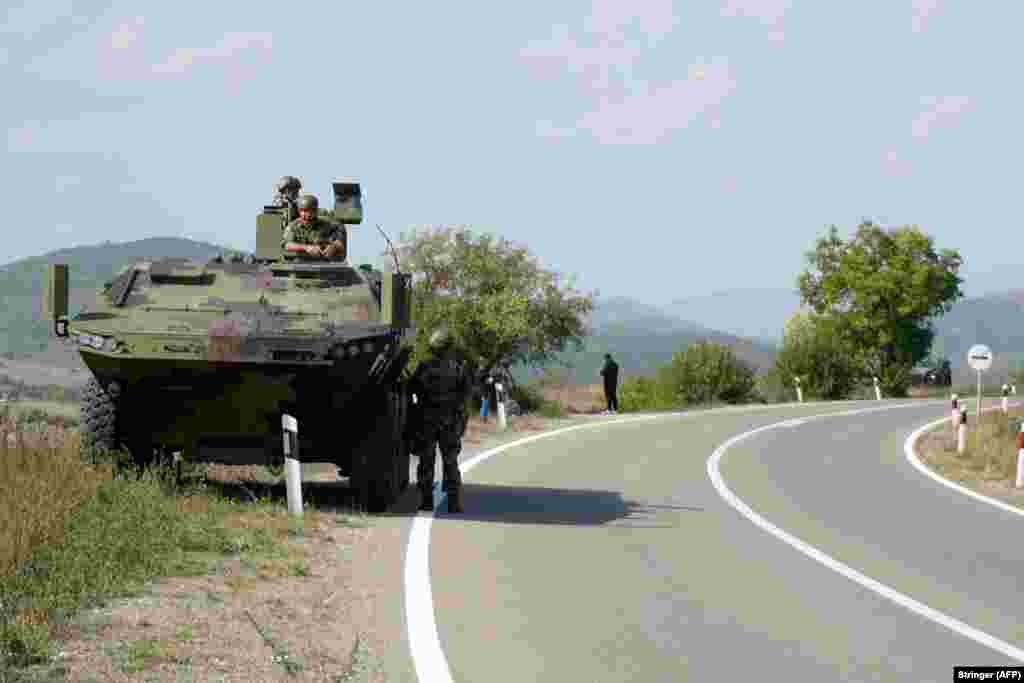
12/18Serbian Army soldiers stand guard by their armored vehicle in the village of Rudnica, near the southern Serbian town of Raska, on September 27.
On September 26, Serbian Defense Minister Nebojsa Stefanovic visited troops at two military bases near the Kosovo border, accompanied by Russia's ambassador to Serbia.
Two crossings on Kosovo's border with Serbia have been blocked by local Serbs since Kosovar authorities on September 20 required all drivers from Serbia entering Kosovo to use temporary printed registration details that are valid for 60 days.
Two crossings on Kosovo's border with Serbia have been blocked by local Serbs since Kosovar authorities on September 20 required all drivers from Serbia entering Kosovo to use temporary printed registration details that are valid for 60 days.
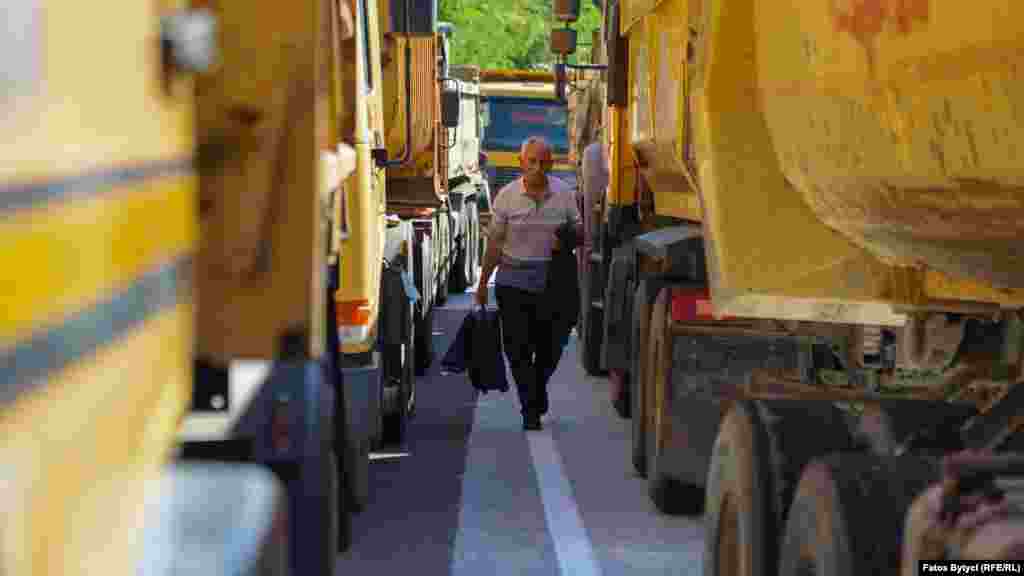
14/18A man passes through trucks placed by local Serbs to block the road in Jarinje on September 26.
Two crossings on Kosovo's border with Serbia have been blocked by local Serbs since Kosovar authorities on September 20 required all drivers from Serbia entering Kosovo to use temporary printed registration details that are valid for 60 days.
15/18A picture of Serbian President Aleksandar Vucic is seen close to a border crossing at Jarinje.
The confrontation has already boiled over into violence, with a vehicle-registration office and another Interior Ministry building in northern Kosovo being attacked on September 25, according to police.
Two crossings on Kosovo's border with Serbia have been blocked by local Serbs since Kosovar authorities on September 20 required all drivers from Serbia entering Kosovo to use temporary printed registration details that are valid for 60 days.
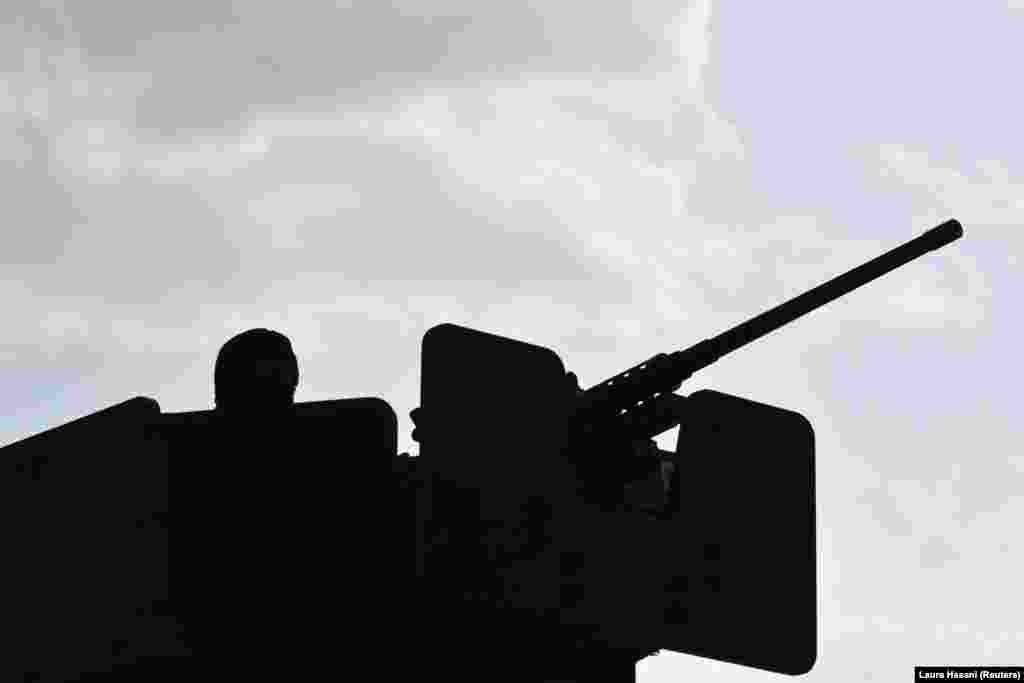
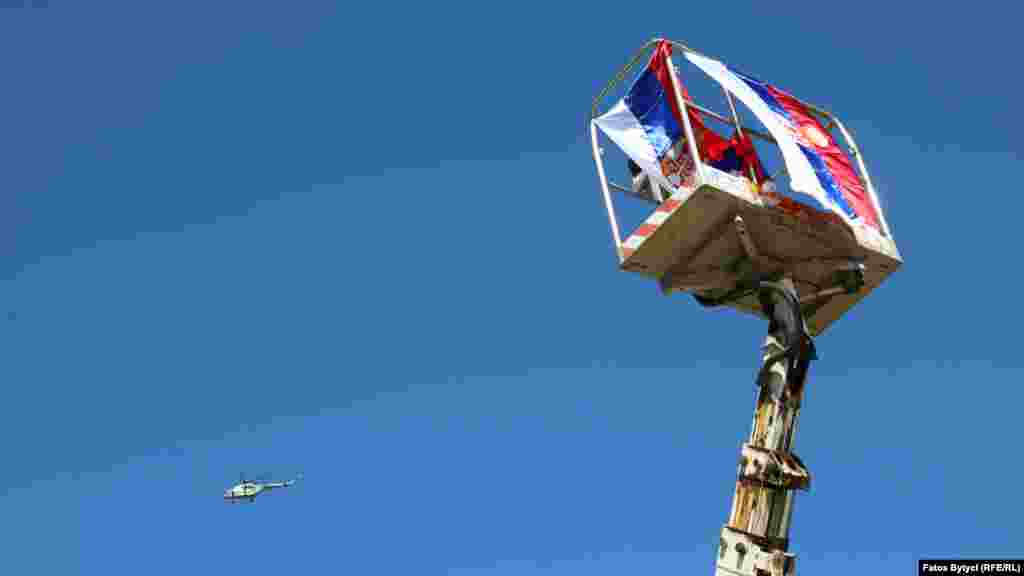
16/18A NATO helicopter flies over a Serbian flag in Jarinje.
Two crossings on Kosovo's border with Serbia have been blocked by local Serbs since Kosovar authorities on September 20 required all drivers from Serbia entering Kosovo to use temporary printed registration details that are valid for 60 days.
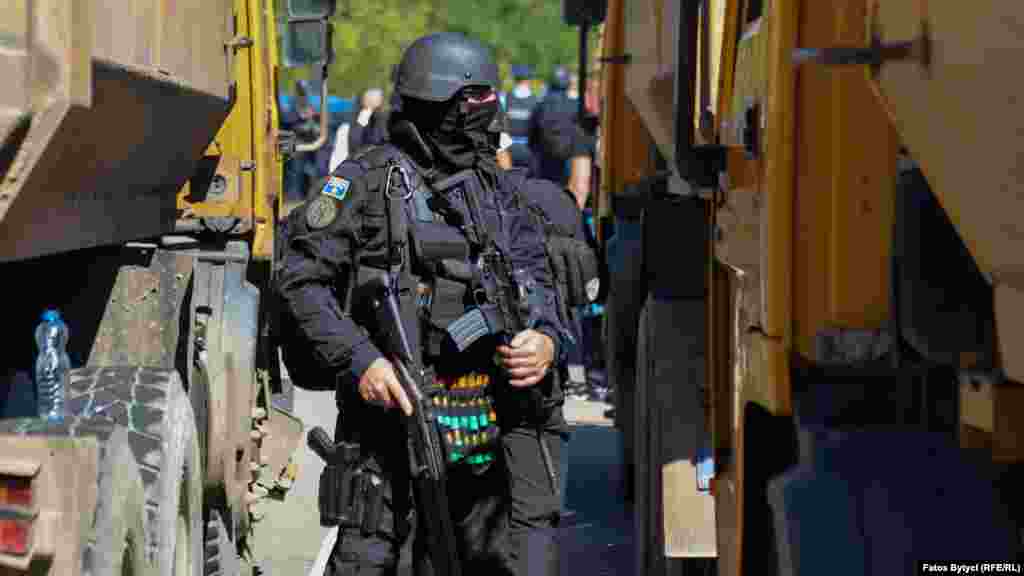
17/18A Kosovar police officer stands next to trucks blocking the road in Jarinje.
Two crossings on Kosovo's border with Serbia have been blocked by local Serbs since Kosovar authorities on September 20 required all drivers from Serbia entering Kosovo to use temporary printed registration details that are valid for 60 days.
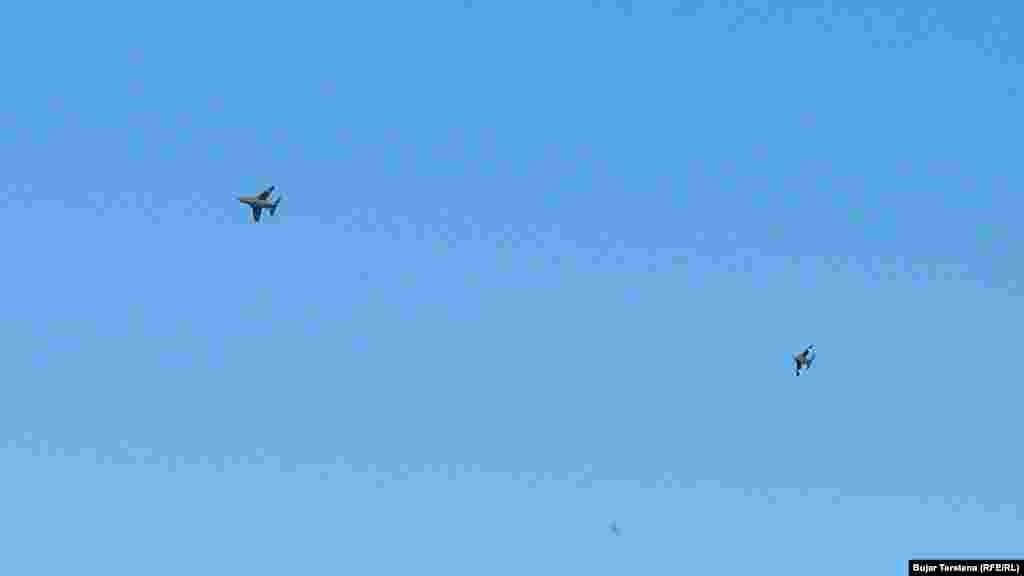
18/18Serbian warplanes are seen flying over the border with Kosovo at Jarinje on September 26.
Two crossings on Kosovo's border with Serbia have been blocked by local Serbs since Kosovar authorities on September 20 required all drivers from Serbia entering Kosovo to use temporary printed registration details that are valid for 60 days.
Previous slide
Next slide
The Kosovar government said the move was in retaliation for measures in force in Serbia against drivers from Kosovo since 2008, when the country declared independence from Belgrade.
Serbia does not recognize its former province's independence and therefore its right to take official actions such as registering cars.
Kosovo's government has deployed special police forces to the Jarinje and Brnjak border crossings to impose the new rule, while Serbian military jets and helicopters have been flying close to the border in an apparent show of force.
European Union envoy Miroslav Lajcak posted on Twitter a picture of the agreement reached between the two sides on September 30 following what he called two days of “intense negotiations” in the Belgian capital.
Serbian President Aleksandar Vucic said he was “personally very satisfied,” while Kosovar Prime Minister Albin Kurti said: "Now begins the era when Serbia is starting to get used to reciprocity."
EU and U.S. officials also welcomed the compromise, and called for dialogue between Pristina and Belgrade to continue to normalize their relations.
According to the agreement posted by Lajcak on Twitter, three main points have been agreed by the two sides:
-- Special police units located at the joint border crossings in Jarinje and Brnjak will remove barricades and leave on October 2, while members of the NATO-led KFOR stabilization force will deploy at the two crossings before the start of the withdrawal of the police and the removal of barricades, remaining there for two weeks to ensure security;
-- From October 4, a sticker will replace the removal of the license plates of cars registered in Kosovo and Serbia as a temporary measure until a permanent solution is identified;
-- On October 21, Kosovar and Serbian officials will form a working group chaired by the EU and start working toward a permanent solution that will be presented within six months to the high-level format of the Serbia-Kosovo Dialogue.
In his tweet, Lajcak thanked the Kosovar and Serbian chief negotiators, Besnik Bislimi and Petar Petkovic, for "their readiness to negotiate and agree for the good of the people."
The EU diplomatic service welcomed the outcome of the negotiations in Brussels, and urged both parties to “constructively engage in the Dialogue in order to make swift progress on comprehensive normalisation of their relations.”
European Commission chief Ursula von der Leyen -- who was visiting Serbia when the deal was struck -- described the agreement as a "very positive development.”
“It is good for the whole region. Now the dialogue must continue," she wrote in a tweet.
U.S. Deputy Secretary of State Gabriel Escobar, who oversees the Western Balkans, also applauded the agreement but underlined that there is "still an awful lot on the agenda" between two sides that needs to be addressed.
"I think we can make enormous strides in helping the Balkans get over a very difficult period during the ‘90s and hopefully, eventually become more integrated with the European Union," he said on a briefing call with reporters.
In 2019, RFE/RL's Balkan Service marked 25 years of reporting in one of the world’s most contested regions, championing professionalism and moderation in a media landscape that is sharply divided along ethnic and partisan lines.