As mayor for 18 years, Yury Luzhkov oversaw Moscow's transformation from a drab Soviet city into a glittering, often garish, modern Russian capital.
Yury Luzhkov, the pugnacious former mayor of Moscow who oversaw the transformation of the Russian capital over nearly two decades but whose national political ambitions went unrealized, has died. He was 83.
The Russian Embassy in Berlin said that Luzhkov died December 10 at a Munich hospital where, according to Russian state media, he was undergoing heart surgery. Luzhkov’s successor as mayor, Sergei Sobyanin, said Luzhkov had died but gave no details.
A former Soviet official with a passion for development, Luzhkov steered the city’s enormous bureaucracy for 18 years, earning a reputation as one of the country's most influential political players. But he had a sudden fall from grace in 2010 when he was dismissed by the Kremlin, which said it had lost trust in him.
With his short, stocky build, bald head, and iconic worker's cap, he was one of Russia's most instantly recognizable political figures.
Born in Moscow himself, Luzhkov’s most-lasting impact on the city was the metamorphic construction boom he oversaw there. High-rise office and apartment buildings came to pepper the skyline, towering over new hotels, shopping malls, and cultural objects that drew both scorn and admiration from Muscovites.
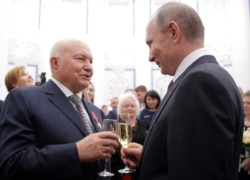
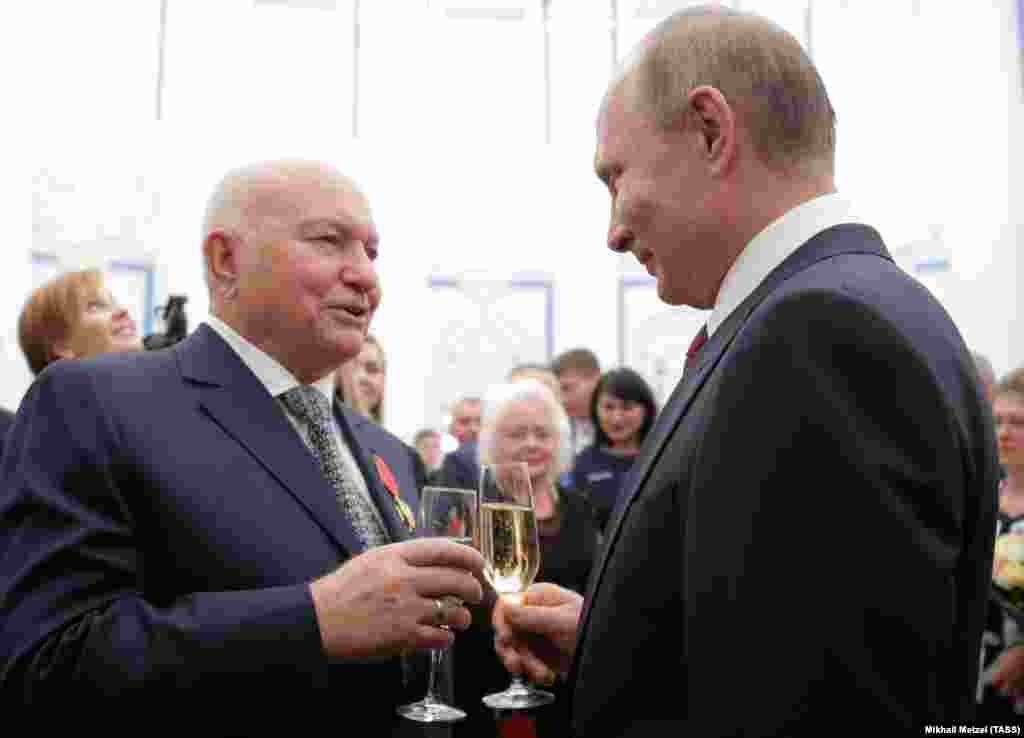
Luzhkov (left) was awarded with an Order of Merit for the Fatherland by President Vladimir Putin in 2016.
His pet projects included rebuilding the Christ the Savior Cathedral, which was razed in 1931 by Soviet dictator Josef Stalin, and the erection of a kitschy, widely loathed statue of Peter the Great on the Moscow River.
"It's quite a unique situation. We have, as you know, Brezhnev-era architecture, Khrushchev architecture, Stalin architecture -- and then Luzhkov architecture. Not Yeltsin, not Putin, but Luzhkov. It's the first case of its kind where a mayor is such a defining figure," prominent architecture critic Grigory Revzin told RFE/RL in 2010.
Luzhkov repeatedly faced allegations that he was illicitly enriching himself with the rampant demolition and construction of the city during his tenure, including by directing city contracts to his wife, billionaire construction mogul Yelena Baturina.
In Photographs: Yury Luzhkov, The Man Who Rebuilt Moscow
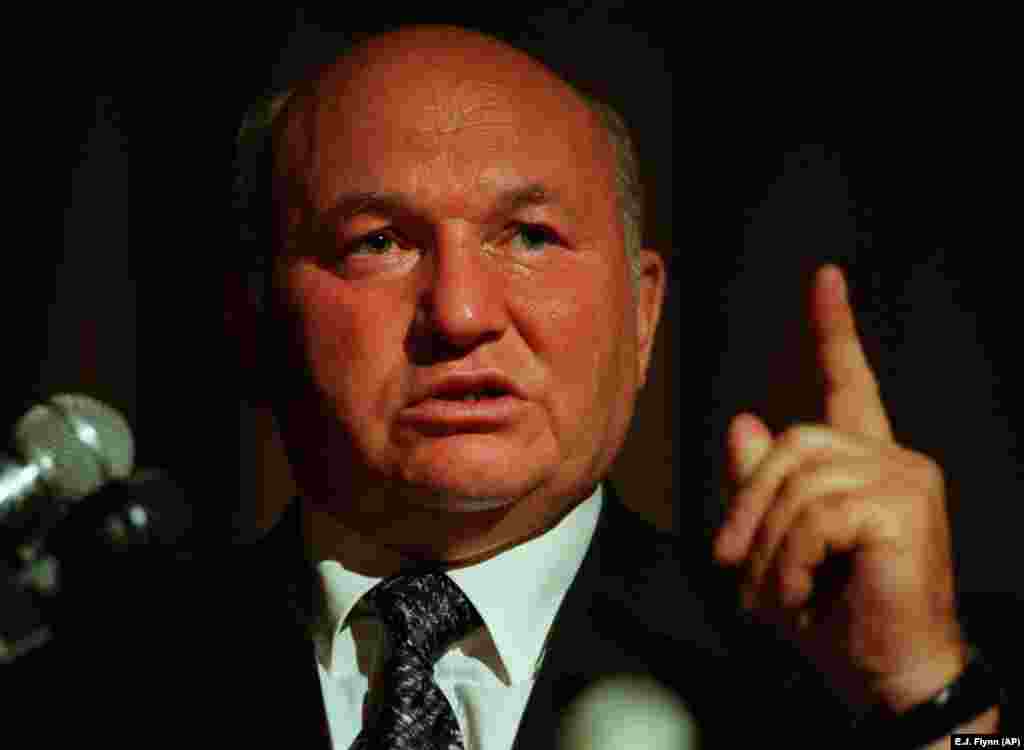
1/19Moscow Mayor Yury Luzhkov addresses the International Conference for Progress and Cooperation Dedicated to the 850th anniversary of the City of Moscow in Beverly Hills, California, on July 28, 1997. The conference was designed to facilitate closer links between United States and Russian businesses.
As mayor of Moscow for 18 years (1992-2010), Yury Luzhkov oversaw the Russian capital's transformation from a drab Soviet city into an often garish modern capital. A former Soviet official with a passion for construction, Luzhkov steered the city's enormous bureaucracy for 18 years, earning a reputation as one of the country's most influential political players. Russian officials and state media said Luzhkov died on December 10 at a Munich hospital, where he was reportedly undergoing heart surgery. He was 83.
Show moreShow less
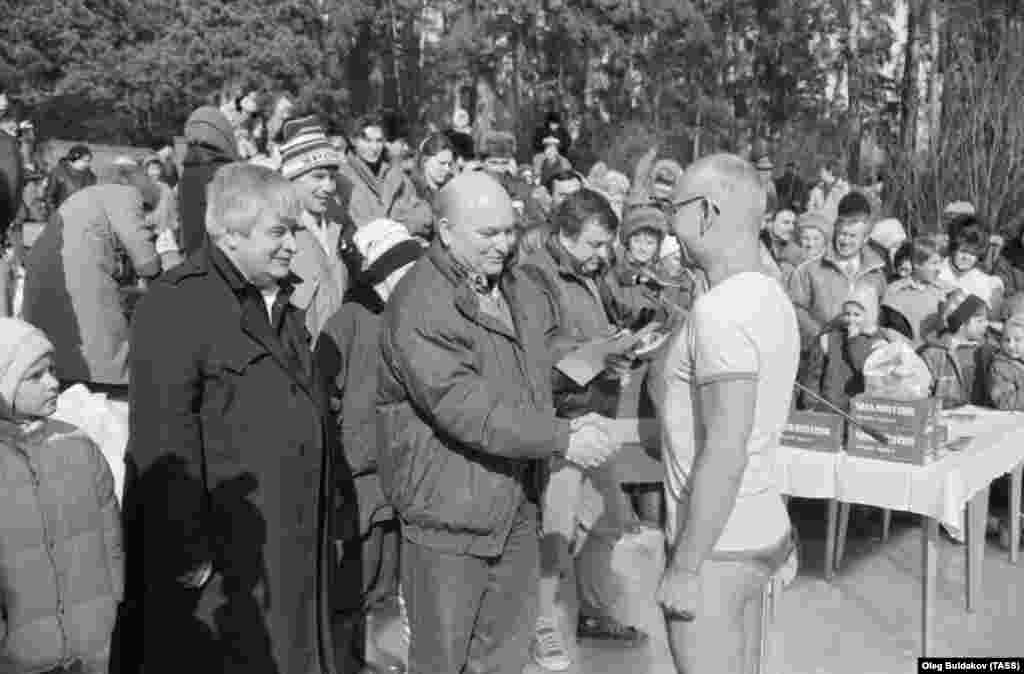
2/19Yury Luzhkov (center), then chairman of the Executive Committee of the Moscow Council, congratulates a veteran of the Serebryany Bor winter swimming club on March 8, 1991.
As mayor of Moscow for 18 years (1992-2010), Yury Luzhkov oversaw the Russian capital's transformation from a drab Soviet city into an often garish modern capital. A former Soviet official with a passion for construction, Luzhkov steered the city's enormous bureaucracy for 18 years, earning a reputation as one of the country's most influential political players. Russian officials and state media said Luzhkov died on December 10 at a Munich hospital, where he was reportedly undergoing heart surgery. He was 83.
Show moreShow less
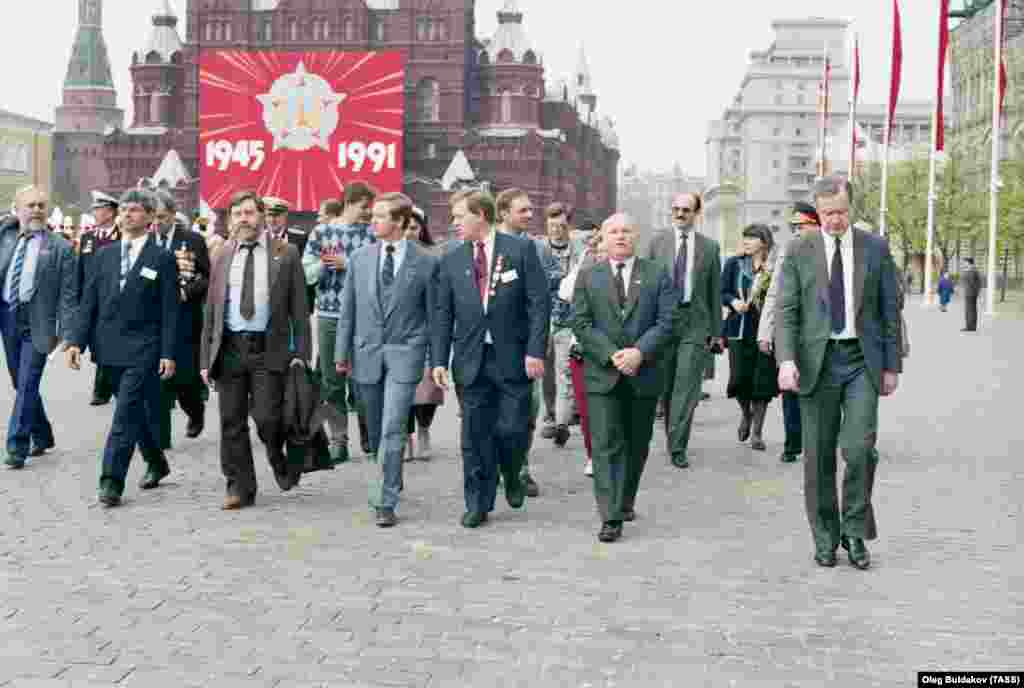
3/19Luzhkov takes part in a parade with Soviet politician Sergei Stankevich, and the mayor of the American city of Everett, Tit Kinch, on May 9, 1991.
As mayor of Moscow for 18 years (1992-2010), Yury Luzhkov oversaw the Russian capital's transformation from a drab Soviet city into an often garish modern capital. A former Soviet official with a passion for construction, Luzhkov steered the city's enormous bureaucracy for 18 years, earning a reputation as one of the country's most influential political players. Russian officials and state media said Luzhkov died on December 10 at a Munich hospital, where he was reportedly undergoing heart surgery. He was 83.
Show moreShow less
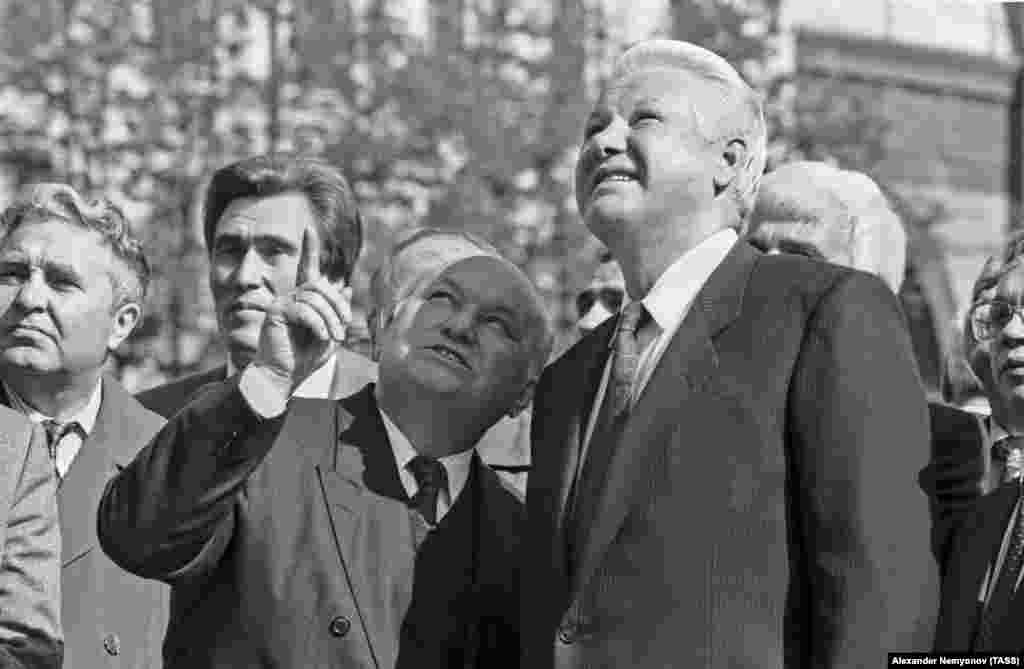
4/19Russian President Boris Yeltsin (right) and Moscow Mayor Yury Luzhkov on June 9, 1993. Luzhkov had sided with Yeltsin during the 1991 attempt by senior KGB officials to overthrow reformist Soviet leader Mikhail Gorbachev and during the Russian president's 1993 standoff with lawmakers in which Yeltsin ordered tanks to fire on the parliament building.
As mayor of Moscow for 18 years (1992-2010), Yury Luzhkov oversaw the Russian capital's transformation from a drab Soviet city into an often garish modern capital. A former Soviet official with a passion for construction, Luzhkov steered the city's enormous bureaucracy for 18 years, earning a reputation as one of the country's most influential political players. Russian officials and state media said Luzhkov died on December 10 at a Munich hospital, where he was reportedly undergoing heart surgery. He was 83.
Show moreShow less
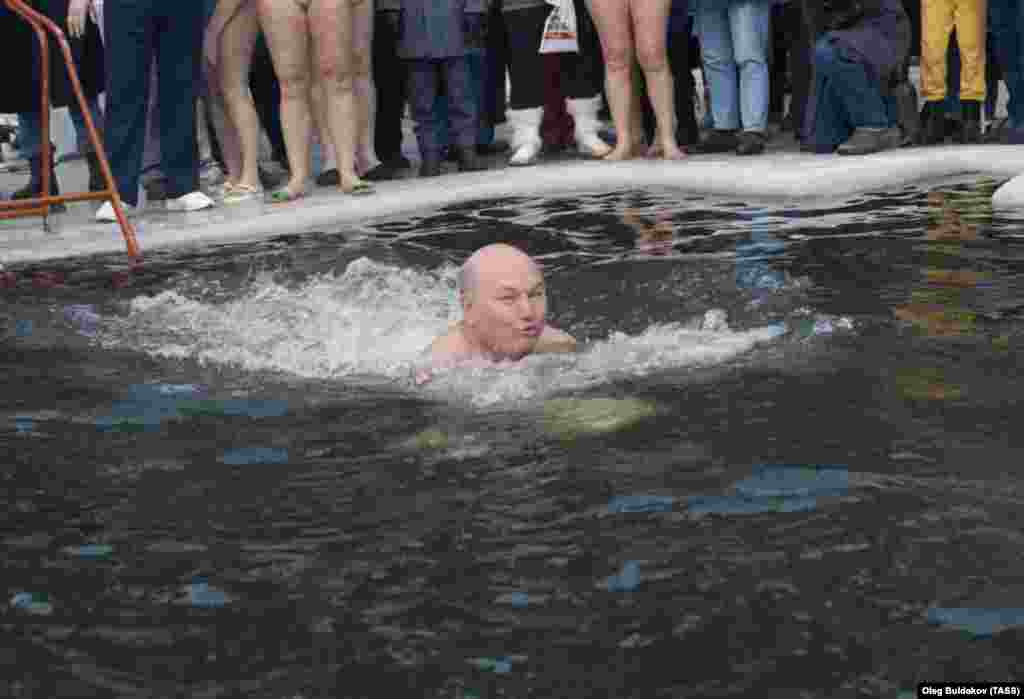
5/19Luzhkov swims in an ice hole in the Maloye Bezdonnoye lake during a winter swimming festival on March 8, 1992. He was a teetotaler and sports enthusiast, playing both soccer and tennis regularly well after his 60th birthday, and had an array of other hobbies, including beekeeping.
As mayor of Moscow for 18 years (1992-2010), Yury Luzhkov oversaw the Russian capital's transformation from a drab Soviet city into an often garish modern capital. A former Soviet official with a passion for construction, Luzhkov steered the city's enormous bureaucracy for 18 years, earning a reputation as one of the country's most influential political players. Russian officials and state media said Luzhkov died on December 10 at a Munich hospital, where he was reportedly undergoing heart surgery. He was 83.
Show moreShow less
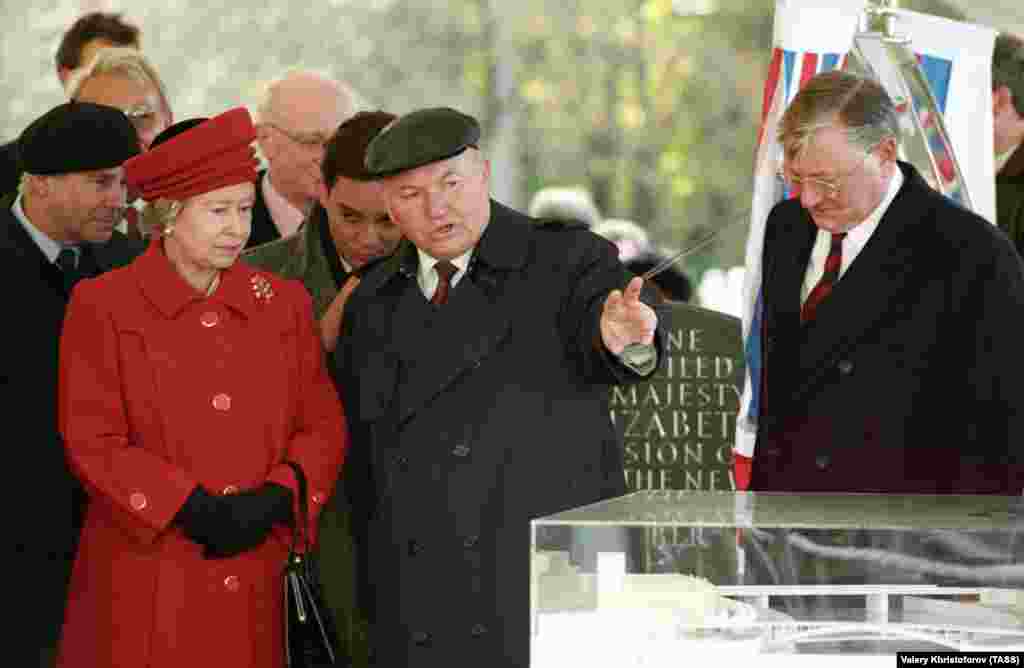
6/19Luzhkov (center) shows Britain's Queen Elizabeth II a model of the new British Embassy in Russia during her official visit to Russia in 1994.
As mayor of Moscow for 18 years (1992-2010), Yury Luzhkov oversaw the Russian capital's transformation from a drab Soviet city into an often garish modern capital. A former Soviet official with a passion for construction, Luzhkov steered the city's enormous bureaucracy for 18 years, earning a reputation as one of the country's most influential political players. Russian officials and state media said Luzhkov died on December 10 at a Munich hospital, where he was reportedly undergoing heart surgery. He was 83.
Show moreShow less
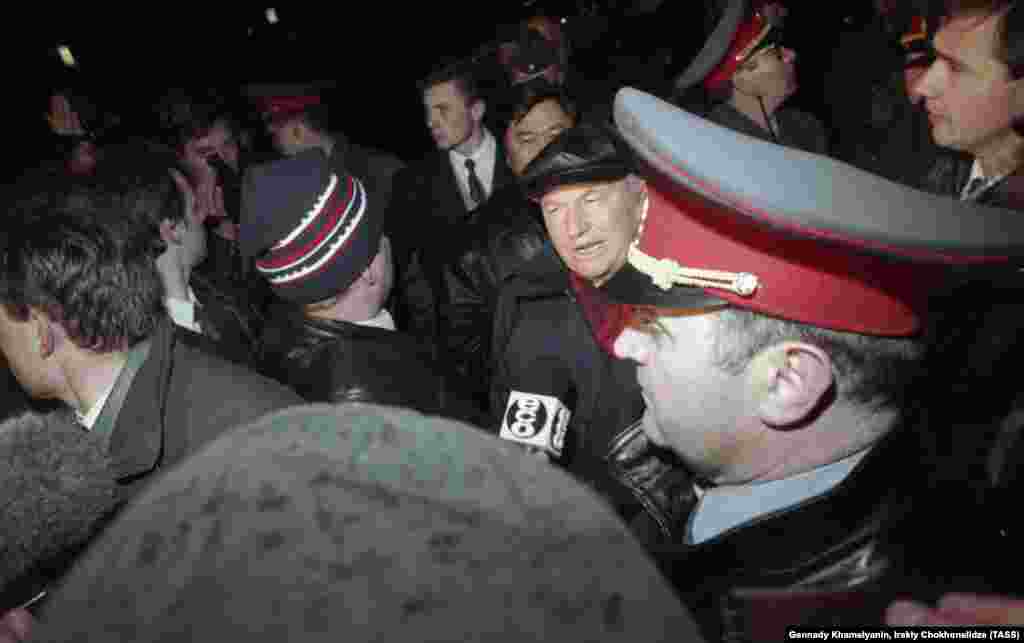
7/19Luzhkov talks to reporters in Red Square after a terrorist captured a bus with South Korean students on board on October 15, 1995.
As mayor of Moscow for 18 years (1992-2010), Yury Luzhkov oversaw the Russian capital's transformation from a drab Soviet city into an often garish modern capital. A former Soviet official with a passion for construction, Luzhkov steered the city's enormous bureaucracy for 18 years, earning a reputation as one of the country's most influential political players. Russian officials and state media said Luzhkov died on December 10 at a Munich hospital, where he was reportedly undergoing heart surgery. He was 83.
Show moreShow less
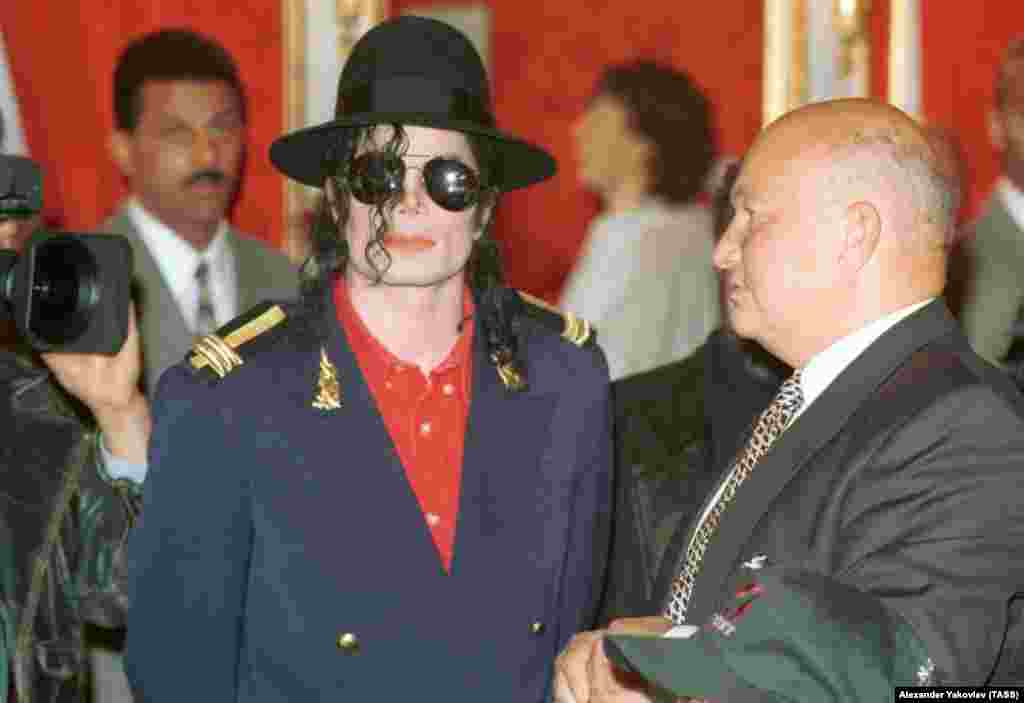
8/19Luzhkov (right) hosts a reception for American pop singer Michael Jackson at his Moscow office. Jackson was in Moscow as part of his HIStory World Tour on September 16, 1996.
As mayor of Moscow for 18 years (1992-2010), Yury Luzhkov oversaw the Russian capital's transformation from a drab Soviet city into an often garish modern capital. A former Soviet official with a passion for construction, Luzhkov steered the city's enormous bureaucracy for 18 years, earning a reputation as one of the country's most influential political players. Russian officials and state media said Luzhkov died on December 10 at a Munich hospital, where he was reportedly undergoing heart surgery. He was 83.
Show moreShow less
9/19Luzhkov (right) and Nizhny Novgorod regional Governor Boris Nemtsov are pictured during a meeting of Russian governors held in the upper chamber of the Russian parliament on February 11, 1997. Nemtsov was shot dead in Moscow on February 27, 2015.
As mayor of Moscow for 18 years (1992-2010), Yury Luzhkov oversaw the Russian capital's transformation from a drab Soviet city into an often garish modern capital. A former Soviet official with a passion for construction, Luzhkov steered the city's enormous bureaucracy for 18 years, earning a reputation as one of the country's most influential political players. Russian officials and state media said Luzhkov died on December 10 at a Munich hospital, where he was reportedly undergoing heart surgery. He was 83.
Show moreShow less
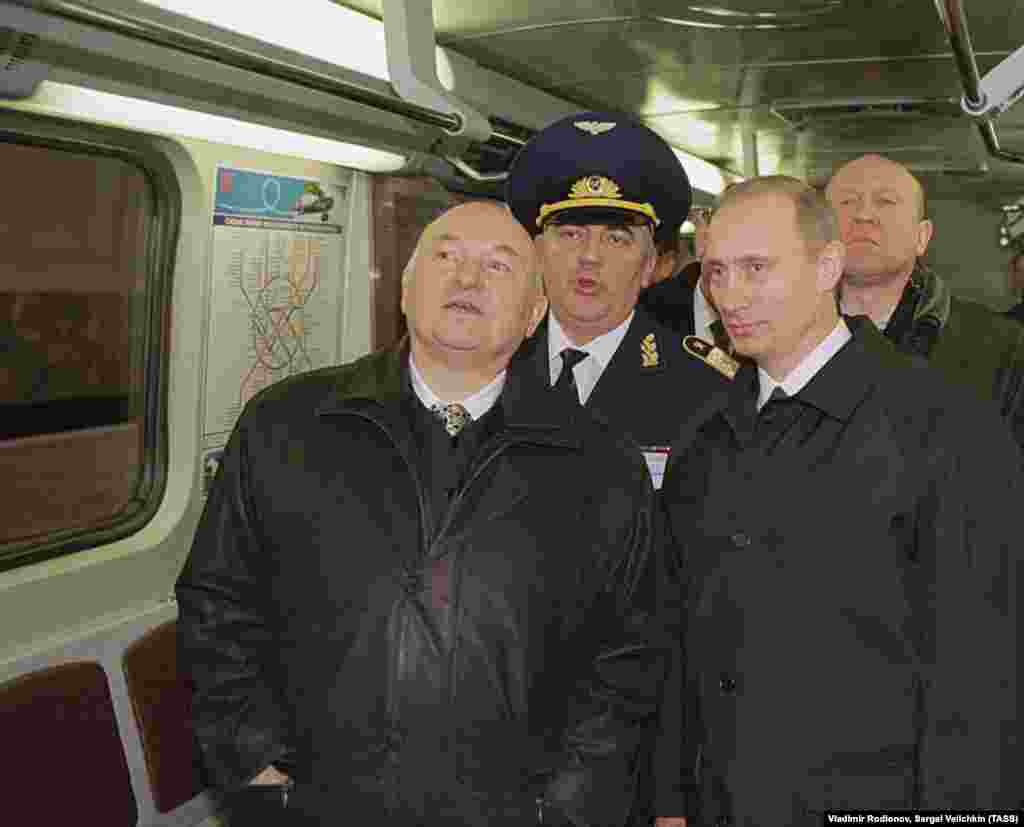
10/19Russia President Vladimir Putin (right) and Luzhkov inspect a train while visiting a new metro station in southern Moscow on December 12, 2001.
As mayor of Moscow for 18 years (1992-2010), Yury Luzhkov oversaw the Russian capital's transformation from a drab Soviet city into an often garish modern capital. A former Soviet official with a passion for construction, Luzhkov steered the city's enormous bureaucracy for 18 years, earning a reputation as one of the country's most influential political players. Russian officials and state media said Luzhkov died on December 10 at a Munich hospital, where he was reportedly undergoing heart surgery. He was 83.
Show moreShow less
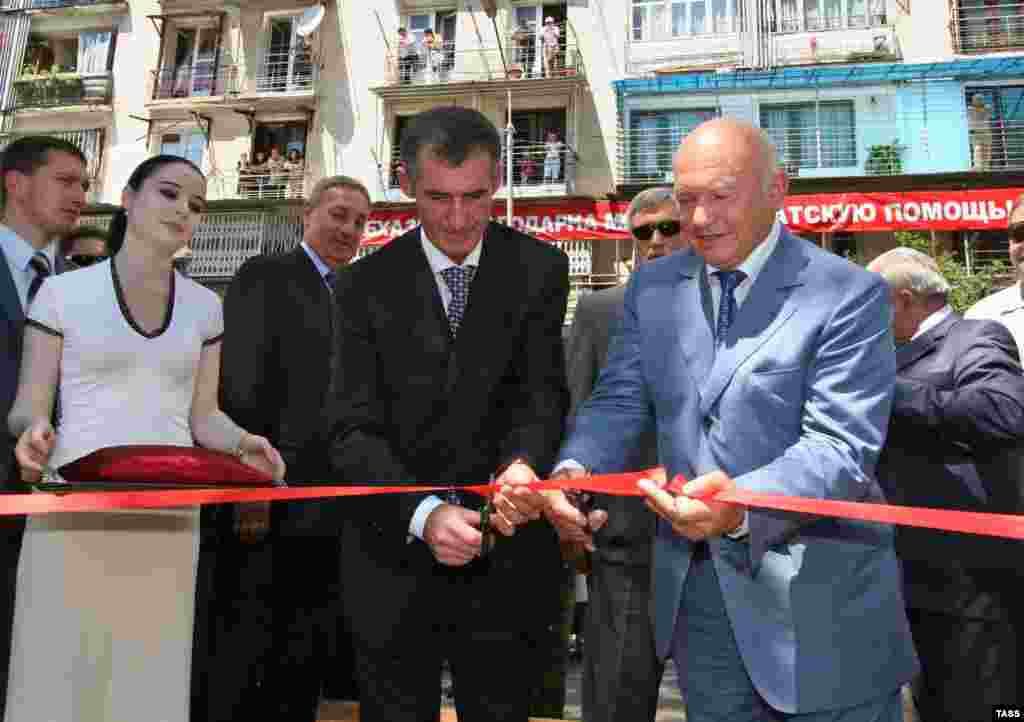
11/19Luzhkov (right) cuts the ribbon at the opening of a new cultural and business center in Moscow on July 20, 2006. Born in Moscow, Luzhkov's most lasting impact on the city was the metamorphic construction boom he oversaw there. High-rise office and apartment buildings came to pepper the skyline, towering over new hotels, shopping malls, and cultural objects that drew both scorn and admiration from Muscovites.
As mayor of Moscow for 18 years (1992-2010), Yury Luzhkov oversaw the Russian capital's transformation from a drab Soviet city into an often garish modern capital. A former Soviet official with a passion for construction, Luzhkov steered the city's enormous bureaucracy for 18 years, earning a reputation as one of the country's most influential political players. Russian officials and state media said Luzhkov died on December 10 at a Munich hospital, where he was reportedly undergoing heart surgery. He was 83.
Show moreShow less
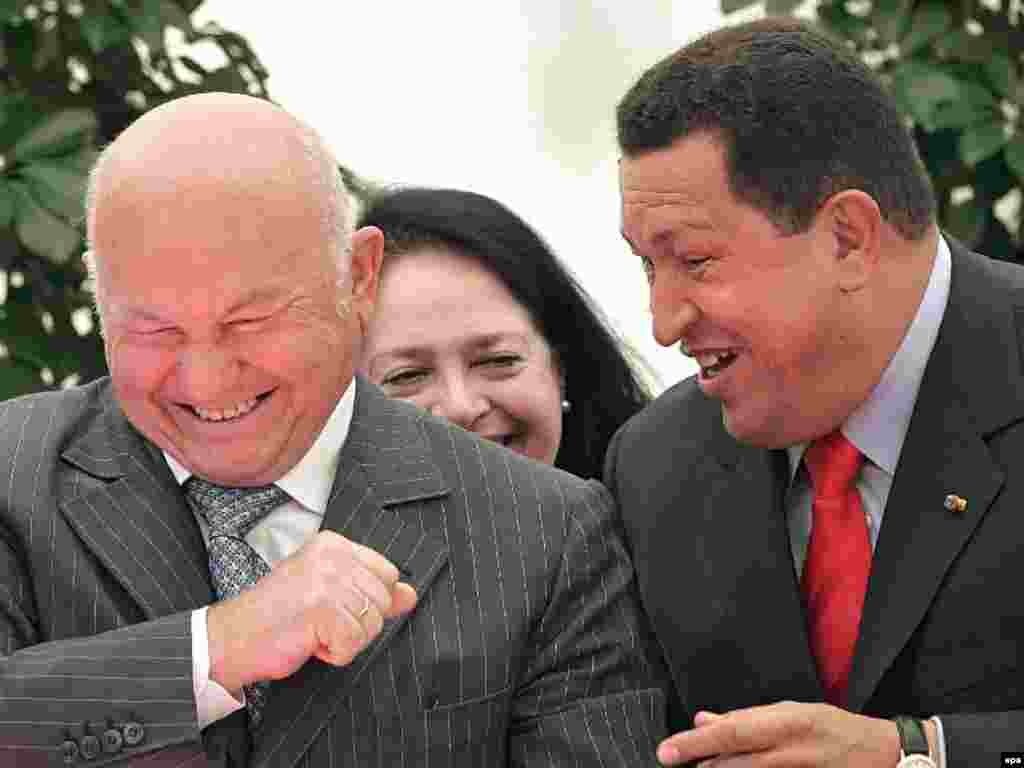
12/19Luzhkov meets Venezuelan President Hugo Chavez in Moscow on June 28, 2007.
As mayor of Moscow for 18 years (1992-2010), Yury Luzhkov oversaw the Russian capital's transformation from a drab Soviet city into an often garish modern capital. A former Soviet official with a passion for construction, Luzhkov steered the city's enormous bureaucracy for 18 years, earning a reputation as one of the country's most influential political players. Russian officials and state media said Luzhkov died on December 10 at a Munich hospital, where he was reportedly undergoing heart surgery. He was 83.
Show moreShow less
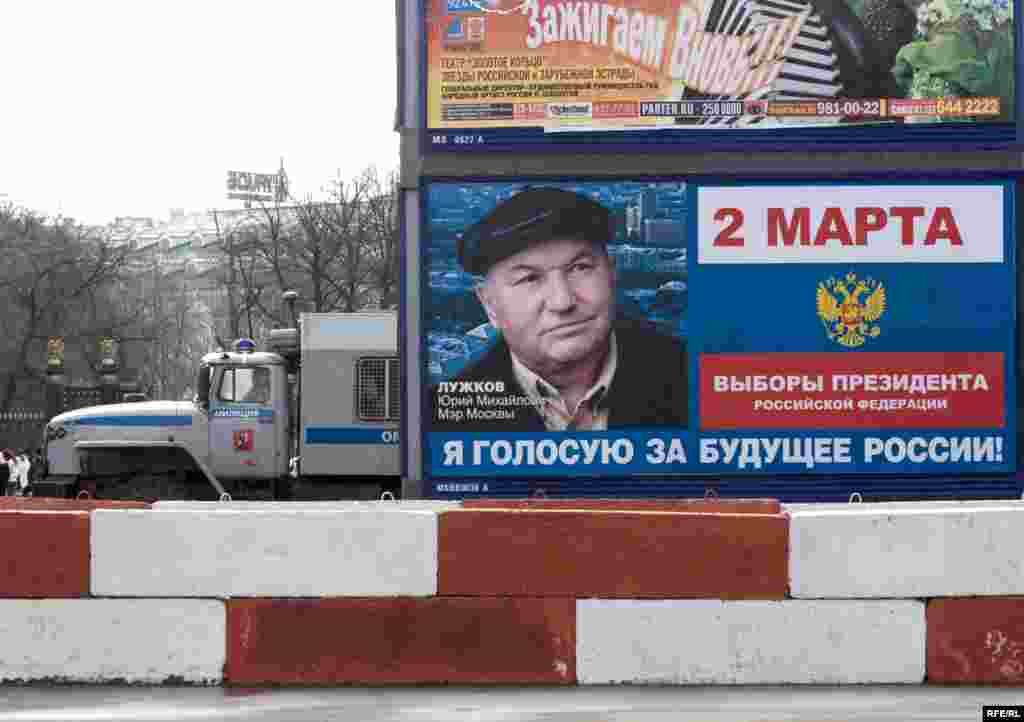
13/19An election poster for Luzhkov in Moscow on March 1, 2008. In 1998, Luzhkov launched his Fatherland political party. The populist, anti-corruption rhetoric of the movement was viewed by Yeltsin's circle as a serious threat in the wake of the economic turmoil that Yeltsin had presided over. After Putin's election in 2000, Luzhkov's Fatherland movement merged with the Kremlin-loyal Unity party to form United Russia, which has held an overwhelming majority in parliament since 2003.
As mayor of Moscow for 18 years (1992-2010), Yury Luzhkov oversaw the Russian capital's transformation from a drab Soviet city into an often garish modern capital. A former Soviet official with a passion for construction, Luzhkov steered the city's enormous bureaucracy for 18 years, earning a reputation as one of the country's most influential political players. Russian officials and state media said Luzhkov died on December 10 at a Munich hospital, where he was reportedly undergoing heart surgery. He was 83.
Show moreShow less
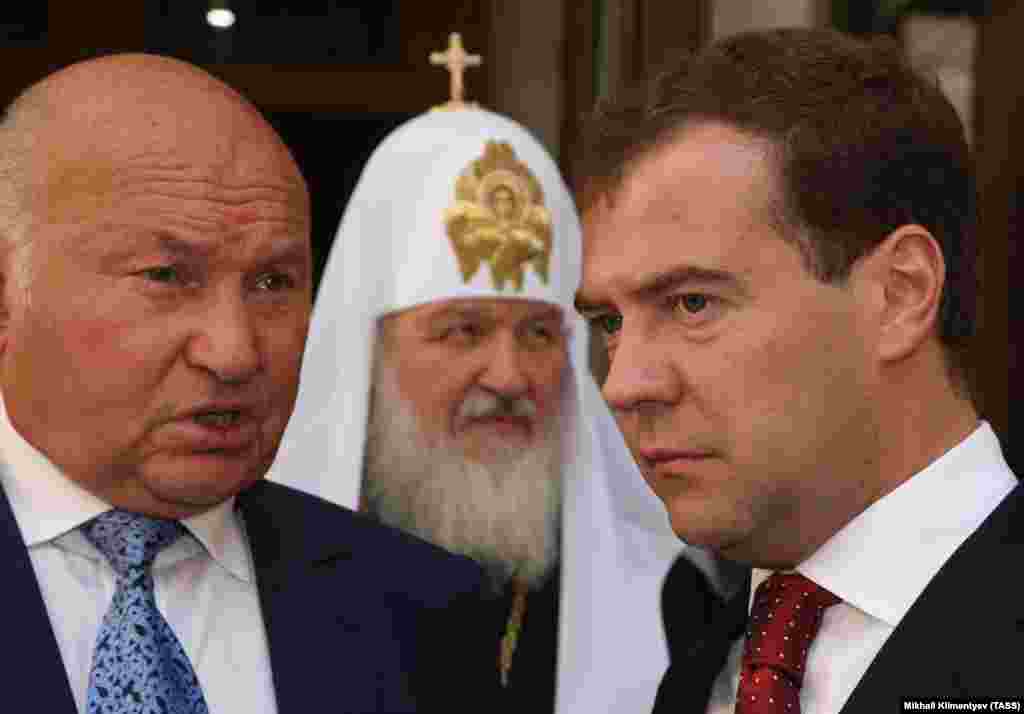
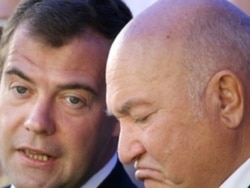
14/19Luzhkov stands with Patriarch Kirill and then-Russian President Dmitry Medvedev (left to right) at city celebrations in the capital's Tverskaya Square on September 5, 2009. It was Medvedev who, in September 2010, removed Luzhkov from his post after he said he had lost trust in the mayor.
As mayor of Moscow for 18 years (1992-2010), Yury Luzhkov oversaw the Russian capital's transformation from a drab Soviet city into an often garish modern capital. A former Soviet official with a passion for construction, Luzhkov steered the city's enormous bureaucracy for 18 years, earning a reputation as one of the country's most influential political players. Russian officials and state media said Luzhkov died on December 10 at a Munich hospital, where he was reportedly undergoing heart surgery. He was 83.
Show moreShow less
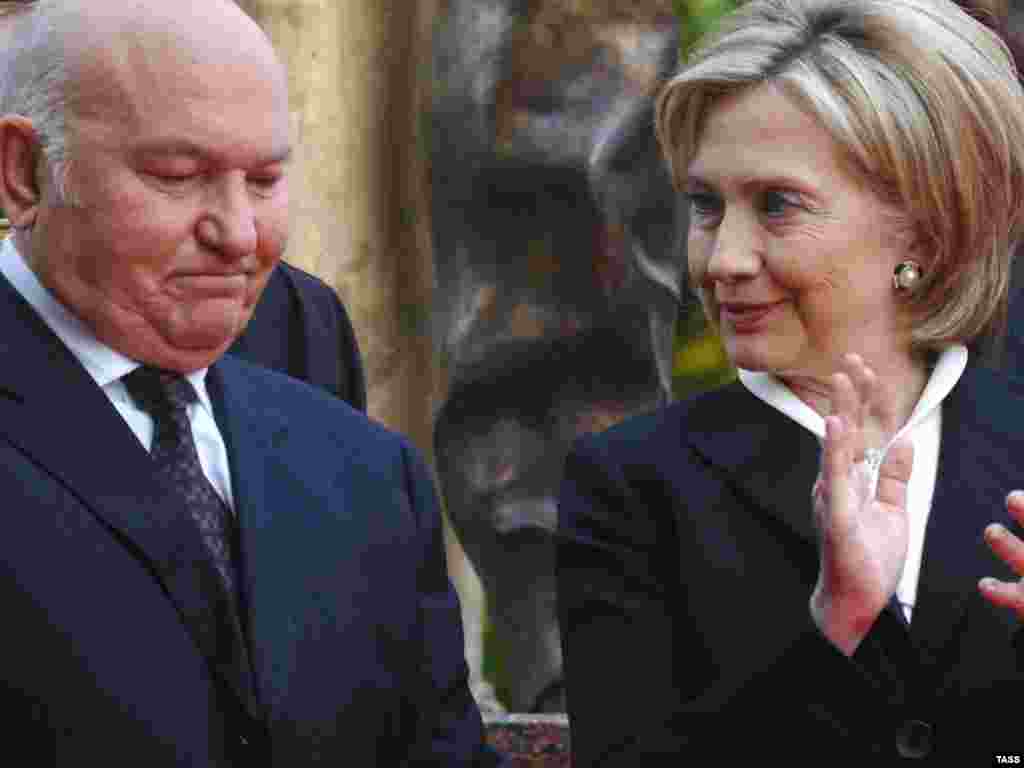
15/19Luzhkov and then-U.S. Secretary of State Hillary Clinton at a ceremony unveiling a monument to American poet Walt Whitman in Moscow on October 14, 2009.
As mayor of Moscow for 18 years (1992-2010), Yury Luzhkov oversaw the Russian capital's transformation from a drab Soviet city into an often garish modern capital. A former Soviet official with a passion for construction, Luzhkov steered the city's enormous bureaucracy for 18 years, earning a reputation as one of the country's most influential political players. Russian officials and state media said Luzhkov died on December 10 at a Munich hospital, where he was reportedly undergoing heart surgery. He was 83.
Show moreShow less
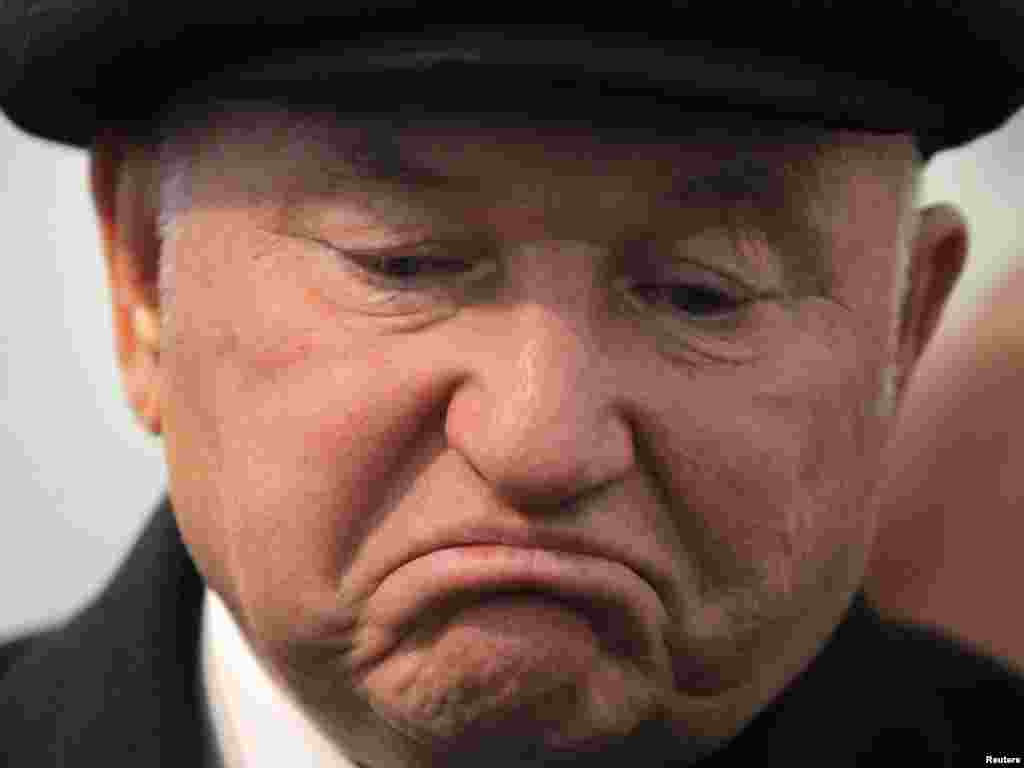
16/19Luzhkov talks to the media in Moscow in September 2010, the month he was removed from his post by then-Russian President Dmitry Medvedev.
As mayor of Moscow for 18 years (1992-2010), Yury Luzhkov oversaw the Russian capital's transformation from a drab Soviet city into an often garish modern capital. A former Soviet official with a passion for construction, Luzhkov steered the city's enormous bureaucracy for 18 years, earning a reputation as one of the country's most influential political players. Russian officials and state media said Luzhkov died on December 10 at a Munich hospital, where he was reportedly undergoing heart surgery. He was 83.
Show moreShow less
17/19Russian President Vladimir Putin presents Luzhkov with an Order of Merit for the Fatherland in the Kremlin on September 22, 2016, an honor that the former Moscow mayor portrayed as a sign that his relations with the Russian leadership were on the mend.
As mayor of Moscow for 18 years (1992-2010), Yury Luzhkov oversaw the Russian capital's transformation from a drab Soviet city into an often garish modern capital. A former Soviet official with a passion for construction, Luzhkov steered the city's enormous bureaucracy for 18 years, earning a reputation as one of the country's most influential political players. Russian officials and state media said Luzhkov died on December 10 at a Munich hospital, where he was reportedly undergoing heart surgery. He was 83.
Show moreShow less
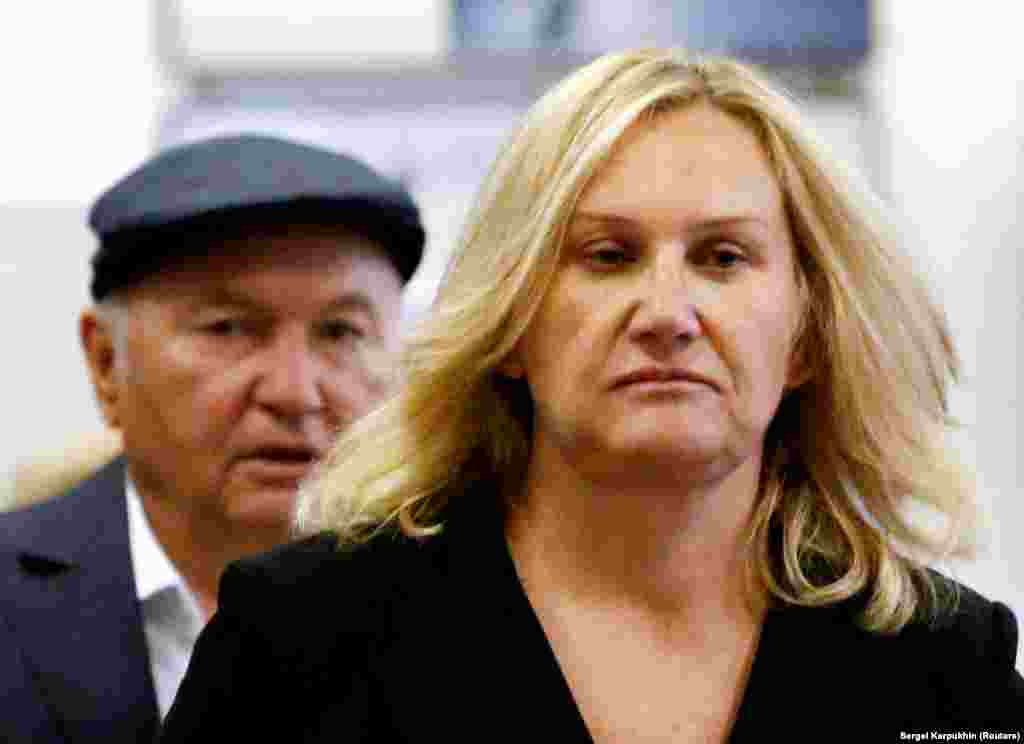
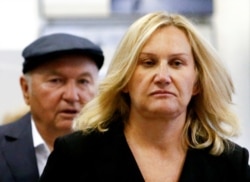
18/19Luzhkov and his wife, businesswoman Yelena Baturina. Luzhkov is survived by Baturina, his second wife and Russia's wealthiest woman, with a net worth of around $1.2 billion, according to Forbes magazine. Luzhkov repeatedly faced allegations that he was illicitly enriching himself with the rampant demolition and construction of the city during his tenure, including by directing city contracts to his wife.
As mayor of Moscow for 18 years (1992-2010), Yury Luzhkov oversaw the Russian capital's transformation from a drab Soviet city into an often garish modern capital. A former Soviet official with a passion for construction, Luzhkov steered the city's enormous bureaucracy for 18 years, earning a reputation as one of the country's most influential political players. Russian officials and state media said Luzhkov died on December 10 at a Munich hospital, where he was reportedly undergoing heart surgery. He was 83.
Show moreShow less
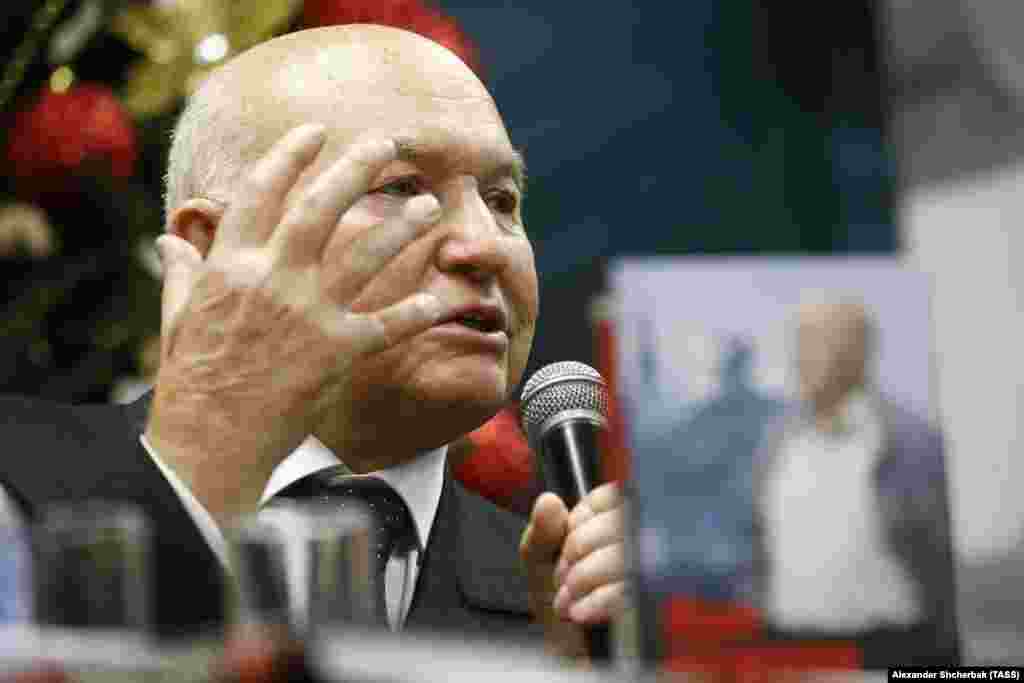
19/19Luzhkov speaks at a launch event for this autobiography in Moscow on November 27, 2017.
As mayor of Moscow for 18 years (1992-2010), Yury Luzhkov oversaw the Russian capital's transformation from a drab Soviet city into an often garish modern capital. A former Soviet official with a passion for construction, Luzhkov steered the city's enormous bureaucracy for 18 years, earning a reputation as one of the country's most influential political players. Russian officials and state media said Luzhkov died on December 10 at a Munich hospital, where he was reportedly undergoing heart surgery. He was 83.
Show moreShow less
Previous slide
Next slide
The couple repeatedly dismissed the accusations as false.
Despite these allegations, Luzhkov enjoyed substantial popularity among Muscovites throughout his reign.
He was a teetotaler and sports enthusiast, playing both soccer and tennis regularly well after his 60th birthday, and had an array of other hobbies, including beekeeping.
Luzhkov was also notable for quixotic initiatives, such as a campaign against foreign words in advertising and his seeding of the clouds to prevent rainfall during major outdoor events.
Enjoying soaring local approval ratings in the 1990s, he attempted to capitalize nationally on his image as a politician who could get things done.
But Luzhkov's push to broaden his power beyond Moscow's city limits triggered a swift and often merciless response from Yeltsin's inner circle, which was frantically searching for a handpicked successor to defeat rival political forces -- ultimately settling on Vladimir Putin in the late 1990s.
Luzhkov (seen here swimming in an icy lake) was notable for quixotic initiatives, such as a campaign against foreign words in advertising and his seeding of the clouds to prevent rainfall during major outdoor events.
His efforts to go national were ultimately thwarted and co-opted by the Kremlin, and Luzhkov settled into a stable, if sometimes rocky, relationship with Putin and the Russian president’s placeholder successor, Dmitry Medvedev, who finally fired the mayor, in 2010.
In a statement issued by the Kremlin, President Vladimir Putin offered his condolences, calling Luzhkov a “real boss...who was respected and trusted by Muscovites.”
“In the difficult years, at the turn of the historical epochs, he did much for the development of Moscow, so the city could become one of the leaders in Russia’s revival,” Putin said.
Putin’s statement also cited Luzhkov’s longtime support for uniting the Ukrainian Black Sea peninsula of Crimea with Russia. In 2014, Russia annexed Crimea, a move that has gone unrecognized by the vast majority of United Nations member countries.
“And of course, we will always remember his sincere, cordial support of Sevastopol and Black Sea sailors,” Putin said, referring to the historic Crimean naval port. “Not just once, and contrary to all circumstances and diplomatic protocols, he bluntly said that Sevastopol is a Russian city."
Soviet-Style Boss And 'Black Sheep'
Born on September 21, 1936, Yury Mikhailovich Luzhkov was the son of a carpenter and a mother who worked in a factory. He built a career in the Soviet oil and chemicals industry, including senior positions in the chemicals ministry.
Luzhkov joined the Communist Party in 1968, and while he never ascended to the ranks of the party elite, his heavy-handed management style -- including frequent public upbraiding of officials and contractors -- was reminiscent of a Soviet boss.
''He was a representative of the Soviet bureaucracy, but the best of it,'' former Moscow Mayor Gavril Popov, Luzhkov's mentor and predecessor, told The New York Times in 1997. ''And he was never a party bureaucrat."
Luzhkov entered politics in the 1970s, serving as a deputy in a local district council in Moscow and, later, as a deputy in the Moscow city council and senior positions in the city government.
He was elected as deputy mayor to Popov, a liberal economist, in 1991 and appointed mayor by President Boris Yeltsin the following year when Popov resigned.
Luzhkov sided with Yeltsin during the 1991 attempt by senior KGB officials to overthrow reformist Soviet leader Mikhail Gorbachev, and during the Russian president's 1993 standoff with lawmakers in which Yeltsin ordered tanks to fire on the parliament building.
Luzhkov was fired as Moscow mayor by then-President Dmitry Medvedev (left) in 2010.
But he was critical of many of the liberal reforms of Yeltsin's team, including the mass privatization of state assets that was fraught with corruption and sparked outrage among many Russians who saw well-connected insiders getting rich as the country's overall living standards plummeted.
In 1996, Luzhkov was reelected as mayor with nearly 90 percent of the vote. Two years later, he launched a political organization called Fatherland that later joined with former Prime Minister Yevgeny Primakov to create the Fatherland-All Russia bloc ahead of the 1999 parliamentary elections and 2000 presidential elections.
The populist, anti-corruption rhetoric of the movement was viewed by Yeltsin's circle as a serious threat in the wake of the economic turmoil that Yeltsin had presided over.
Yeltsin and prominent backers like tycoon Boris Berezovsky and economist Anatoly Chubais "didn't want to lose power -- and maybe not just power but possibly their lives or freedom -- when Primakov and Luzhkov came to power," the late Kremlin-watcher Vladimir Pribylovsky told RFE/RL in 2007.
Yeltsin's team eventually chose Putin to be his handpicked successor, a move widely seen as a bid to fend off the mounting political challenge from Primakov and Luzhkov, who would face a vicious campaign against them in the Yeltsin-friendly media.
Luzhkov, in turn, faced searing coverage from the Berezovsky-owned ORT network, where he became a regular target of prominent anchor Sergei Dorenko, at the time the country's most famous media hit man.
The network aired allegations that Luzhkov obstructed the investigation into the 1996 killing of U.S. businessman Paul Tatum. Dorenko suggested that as mayor, Luzhkov ordered the slaying in connection with a dispute over a hotel partially owned by the Moscow city government.
Luzhkov and his second wife, Yelena Baturina, Russia's wealthiest woman
Luzhkov repeatedly rejected suggestions that he or his associates were involved in Tatum's killing, which remains unsolved to this day.
As Putin's political star rose in 1999 with his tough public rhetoric on terrorism in the wake of a series of bombings of apartment buildings, the national prospects of the Luzhkov-Primakov bloc began to fade.
After Putin's election in 2000, Luzhkov's Fatherland movement merged with the Kremlin-loyal Unity party to form United Russia, which has held an overwhelming majority in parliament since 2003.
"I was always a black sheep when I was in power," Luzhkov told RFE/RL in 2011. "But they tolerated me until a certain time. In 1999, the attacks against me began because it was time for a change of the country's leadership and they needed to create conditions for me in which I had no prospects for the future."
He told RFE/RL that he came to regret the merger of his political movement into what would become United Russia.
Luzhkov's relationship with Putin over the ensuing decade appeared uneasy at times, and media reports frequently suggested the mayor was on the cusp of being dismissed.
In September 2010, he was removed from his post by Medvedev, who cited a "loss of trust" in the mayor.
The dismissal followed a series of reports in the Kremlin-friendly media that included corruption allegations involving Luzhkov, who largely retreated from public life after he was fired.
In September 2016, six years after his ouster, Putin awarded Luzhkov a state medal for "service to the fatherland," an honor that he portrayed as a sign that his relations with Russia's leadership were on the mend.
"This award…means a great deal to me, because it is also a clear symbol of my return from those troubled times that I was burdened with several years ago," Luzhkov said.
Luzhkov is survived by Baturina, his second wife and Russia’s wealthiest woman, with a net worth of around $1.2 billion, according to Forbes magazine.
Other survivors include the couple’s two daughters, who, along with their parents, reportedly spent much of their time in London’s Kensington’s district.
Carl Schreck is an award-winning investigative journalist who has covered Russia and the former Soviet Union for more than 20 years, including a decade in Moscow. He has led investigations into corruption, cronyism, and disinformation campaigns in Russia and Central Asia, as well as on poisoning attacks against Kremlin opponents and assassinations of Iranian exiles in the West. He served as enterprise editor at RFE/RL before leaving the organization in 2025.